
Multiplayer
Total War: SHOGUN 2 multiplayer — Avatar Conquest progression, co-op and competitive campaigns, custom battles for eight players, retainers and veterans.
Introduction
Multiplayer in SHOGUN 2 extends the campaign logic into persistent and head-to-head formats. Avatar Conquest builds a general who accumulates experience across online battles and unlocks armour sets, additional unit types and permanent upgrades for troops that survive engagements. Co-operative campaigns let two players share the map while pursuing separate clan goals, and competitive campaigns put two players in direct contention for the same provinces. Custom battles host up to eight players in a single lobby for large free-for-all skirmishes with hand-picked armies. The Complete Edition rebuilds the networking layer, which changes how lobbies are hosted and how progress carries between sessions.
Multiplayer Mode Reference
| Mode | Players | What It Tests |
|---|---|---|
| Avatar Conquest | 1v1 and team | Army building, veteran unit management and retainer selection |
| Co-op Campaign | 2 | Coordination, shared economy and dividing expansion directions |
| Competitive Campaign | 2 | Campaign tempo, diplomacy under pressure and battle execution |
| Custom Battle | Up to 8 | Pure tactical play with no progression attached |
Multiplayer Systems
Avatar Conquest
The persistent online mode where a general and their army grow across many matches.
Co-operative Campaign
Two players sharing one campaign map while pursuing separate clan objectives.
Competitive Campaign
Head-to-head campaign play where two players contest the same map for supremacy.
Custom Battles
Hosted lobbies for up to eight players with hand-picked armies and no progression.
Retainers and Veterans
The equipment layer that quietly decides close Avatar Conquest matches.
Core Mechanics
Multiplayer in SHOGUN 2 uses the same combat model as the campaign, which means the player who understands morale and flanking beats the player with the more expensive army. Avatar Conquest adds a persistent progression layer on top: experience unlocks armour pieces and unit types, surviving units gain veteran ranks, and retainers apply passive bonuses to the army. Because veteran units cost more as they improve, army building becomes a budget problem in which quality and breadth trade against each other every match. Co-operative and competitive campaigns operate on the campaign map instead, reusing the food, research and diplomacy systems with a human opponent who will exploit any border you leave ungarrisoned. The Complete Edition rebuilds the networking layer, so lobby hosting and session continuity differ from the original release.
Advantages
Playing against a human opponent exposes weaknesses that AI campaigns hide. The AI accepts unfavourable positions, fails to concentrate force and rarely punishes an overextended line; a human player does all three, which makes multiplayer the fastest way to improve at the underlying combat model. Avatar Conquest also gives army construction a persistent stake, because units that survive become more valuable and the decision to sacrifice a veteran unit for a positional gain becomes genuinely difficult. Co-operative campaigns add a second dimension to the single-player systems, letting two players specialise economically and militarily in ways a solo campaign cannot afford, and the rebuilt networking in the Complete Edition makes sessions easier to resume.
Challenges & Weaknesses
Multiplayer inherits the campaign balance issues without the ability to reload a save. Matchmaking and lobby quality vary, and an eight-player custom battle often becomes a negotiation about settings before it becomes a game. Avatar Conquest progression creates a gap between new and experienced players that pure skill cannot always close, because veteran units and unlocked retainers are genuine mechanical advantages rather than cosmetic ones. Mods are problematic in online play: any mod that edits unit stats desynchronises matches, so players who use overhaul mods need a clean profile for multiplayer. Finally, competitive campaigns can stall if one player refuses decisive engagement, turning the game into a long attrition contest.
Frequently Asked Questions
Does Total War: SHOGUN 2 still have multiplayer?+
What is Avatar Conquest?+
Can I use mods in multiplayer?+
What should a beginner learn first in multiplayer?+
Quick Tips
Protect veteran units above all else in Avatar Conquest. Units that survive online battles gain ranks and keep those upgrades permanently, which means trading a ranked unit for positional advantage is a losing trade even when you win the engagement. Withdraw a veteran unit from a collapsing flank rather than sacrificing it to hold a line, and rebuild the position with cheaper troops that have nothing to lose.
Agree territory in co-op campaigns before turn one and treat the border as fixed. The most common way a two-player campaign collapses is not a lost battle but an argument about who was supposed to expand where. Decide which directions each player owns, then let one player specialise economically while the other fields the army that protects both.
Match retainers and veteran upgrades to two or three core unit types rather than spreading bonuses across the whole army. A retainer that improves the units that actually decide your battles changes the outcome, while the same bonus spread across eight unit types changes nothing measurable. Focused builds consistently outperform broad ones at the same point cost.
Test any composition in a custom battle before committing it to ranked play. Custom lobbies have no progression consequences, so they are the cheapest place to discover that an artillery-heavy build collapses against cavalry or that a cavalry-heavy build cannot take a fortified position. Eight-player custom battles also expose balance problems that one-on-one matches hide.
Featured
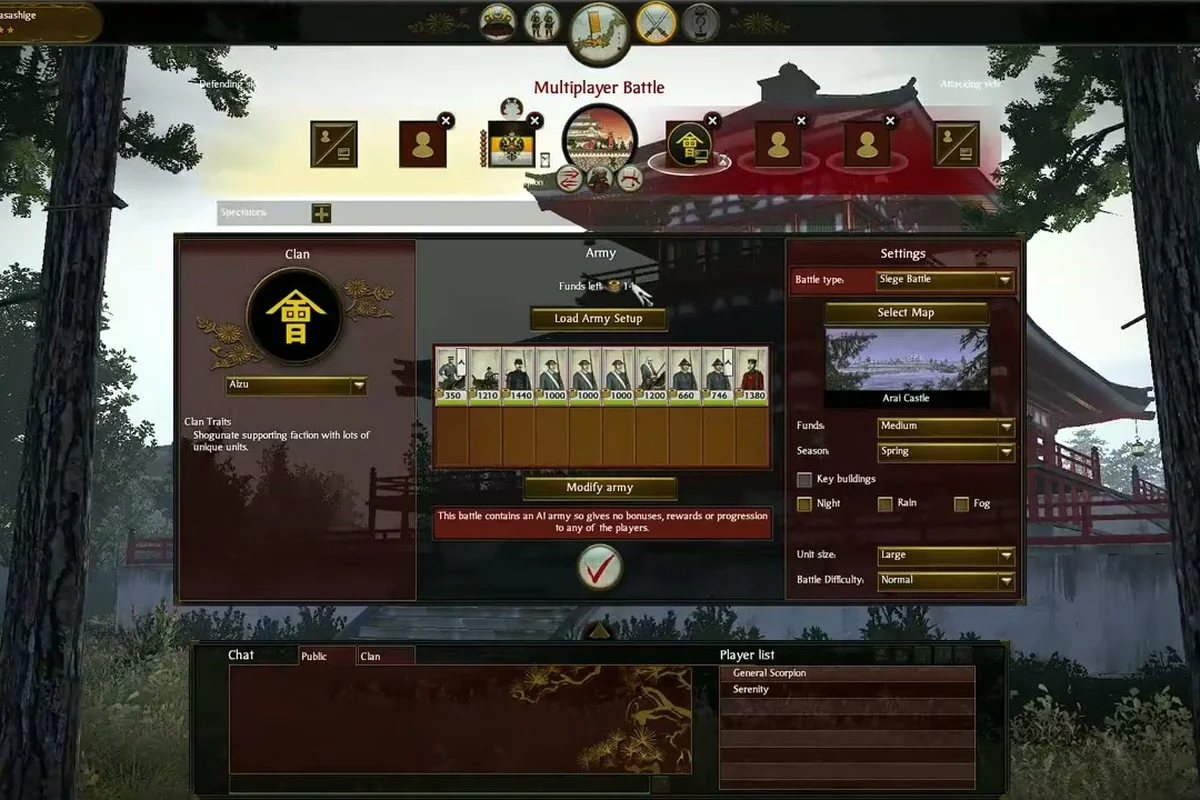
Total War: SHOGUN 2 Multiplayer Achievements: Hosting & Trophies
Speed-run every Shogun 2 multiplayer achievement with hosting tips, observer mode tricks, and a trophy roadmap for the Complete Edition.
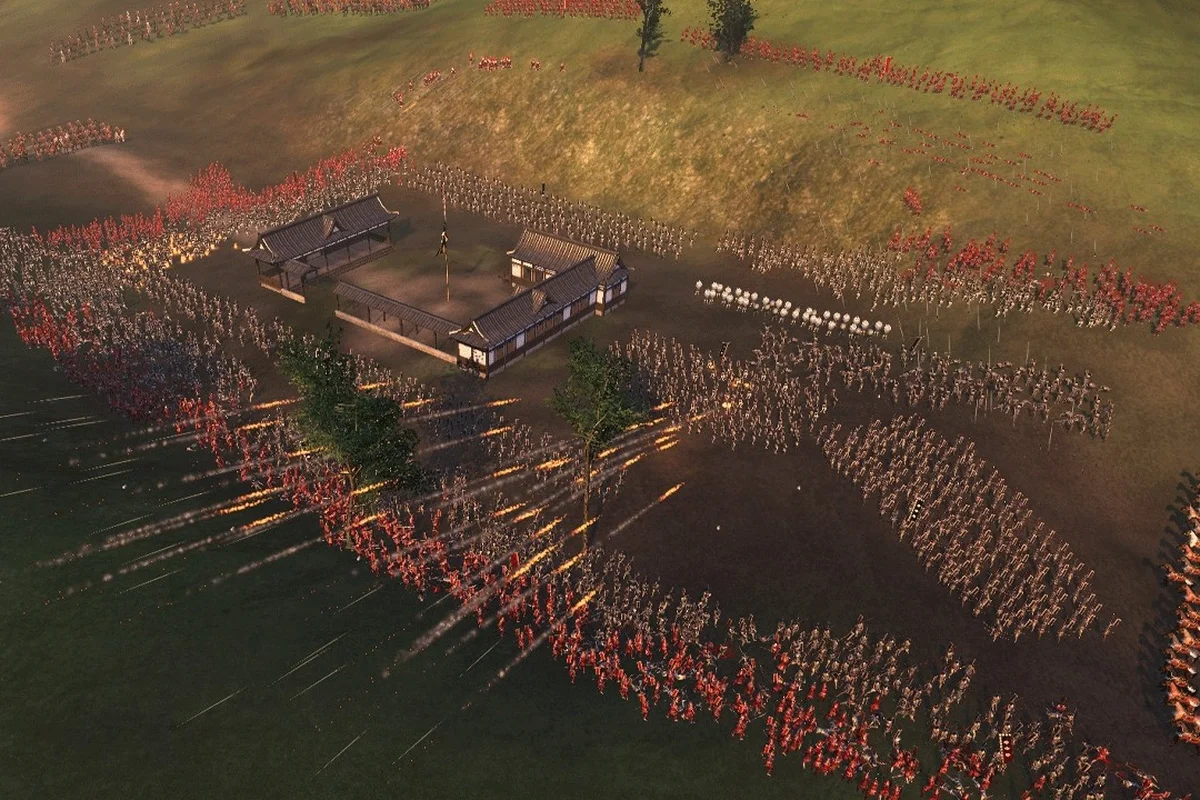
Total War: SHOGUN 2 Multiplayer Matchmaking: Balance & Counters
Navigate Total War: SHOGUN 2 multiplayer matchmaking today, from clan competition progression and balance changes to hard counters for cavalry and archer spam.
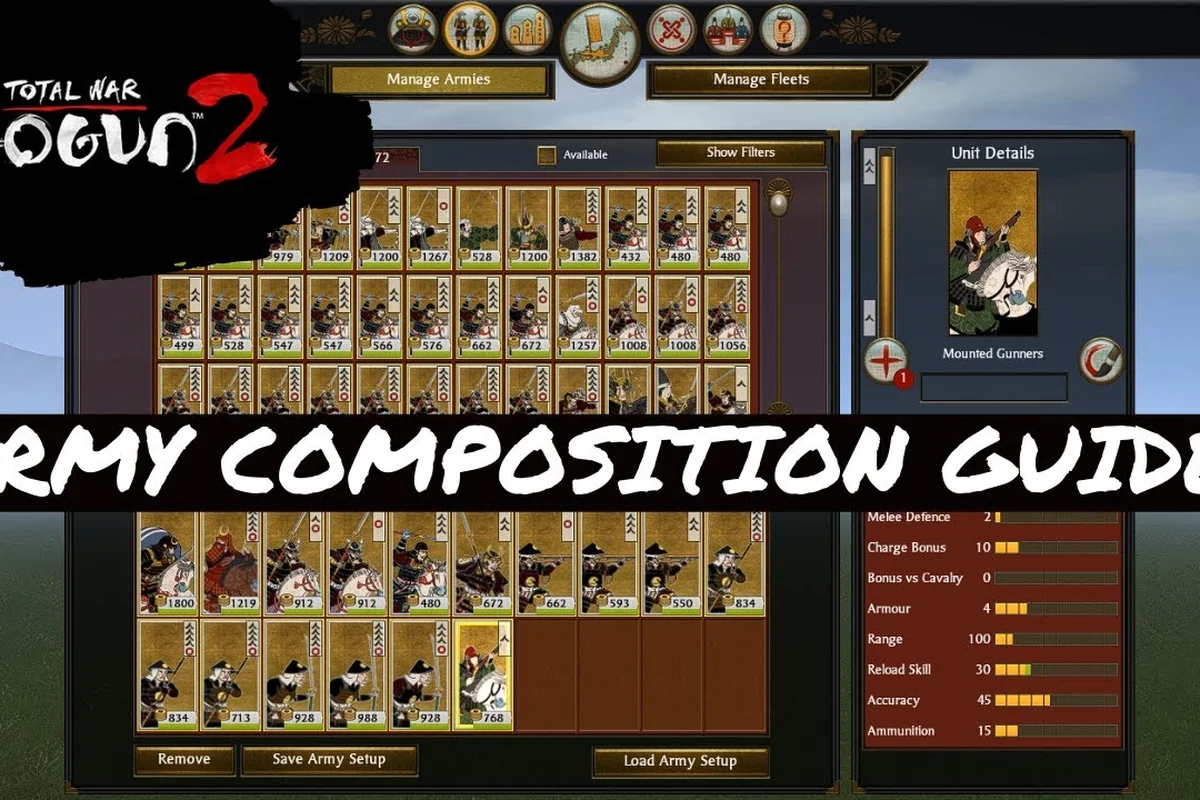
Total War: SHOGUN 2 Multiplayer: Avatar Conquest Basics
Jump into Total War Shogun 2 multiplayer with Avatar Conquest progression, armor and skill tree unlocks, and tips for finding opponents today.
All Articles
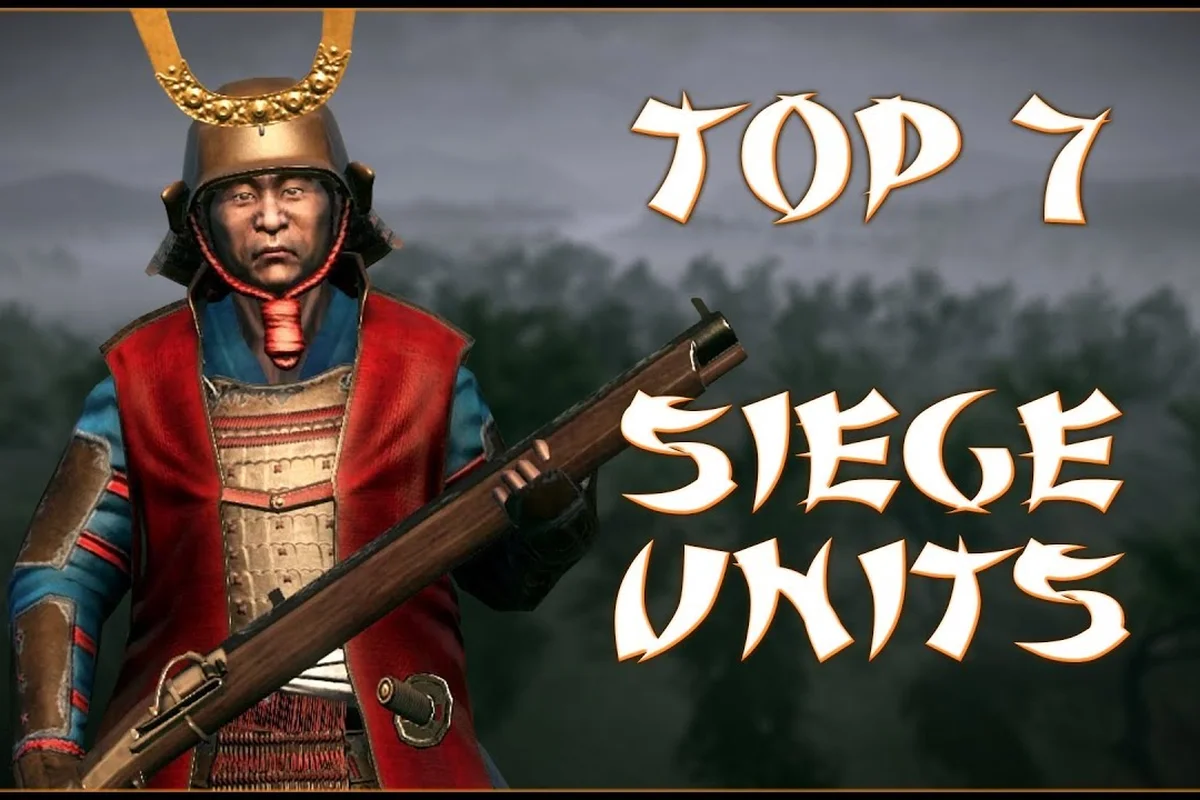
Total War: SHOGUN 2 Siege Multiplayer Guide: Maps & Co-Op Wins
Learn the best Shogun 2 siege multiplayer maps, lobby setup, co-op victory conditions, and how to still find matches in 2026.
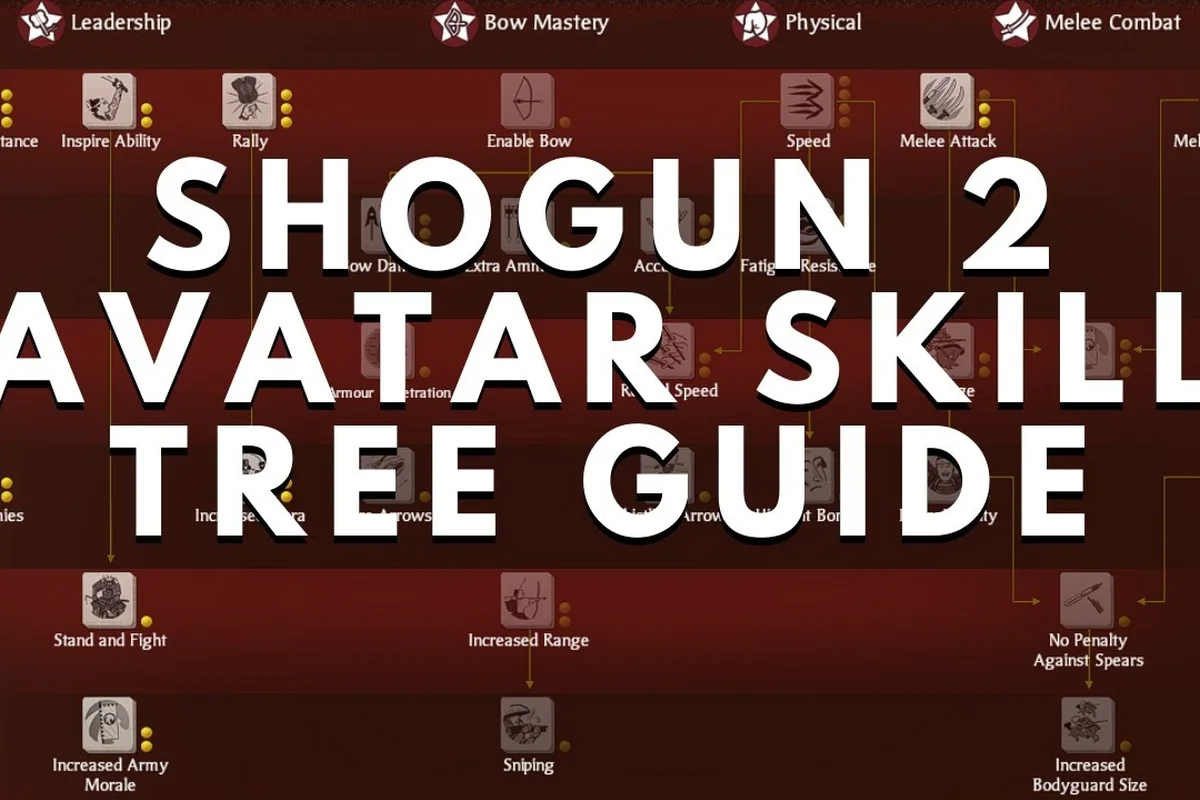
Total War: SHOGUN 2 Veteran Units & Retainers Multiplayer Picks
Build a winning Total War: SHOGUN 2 veteran units multiplayer roster with the best retainers, meta army templates, and counter picks for competitive online play.
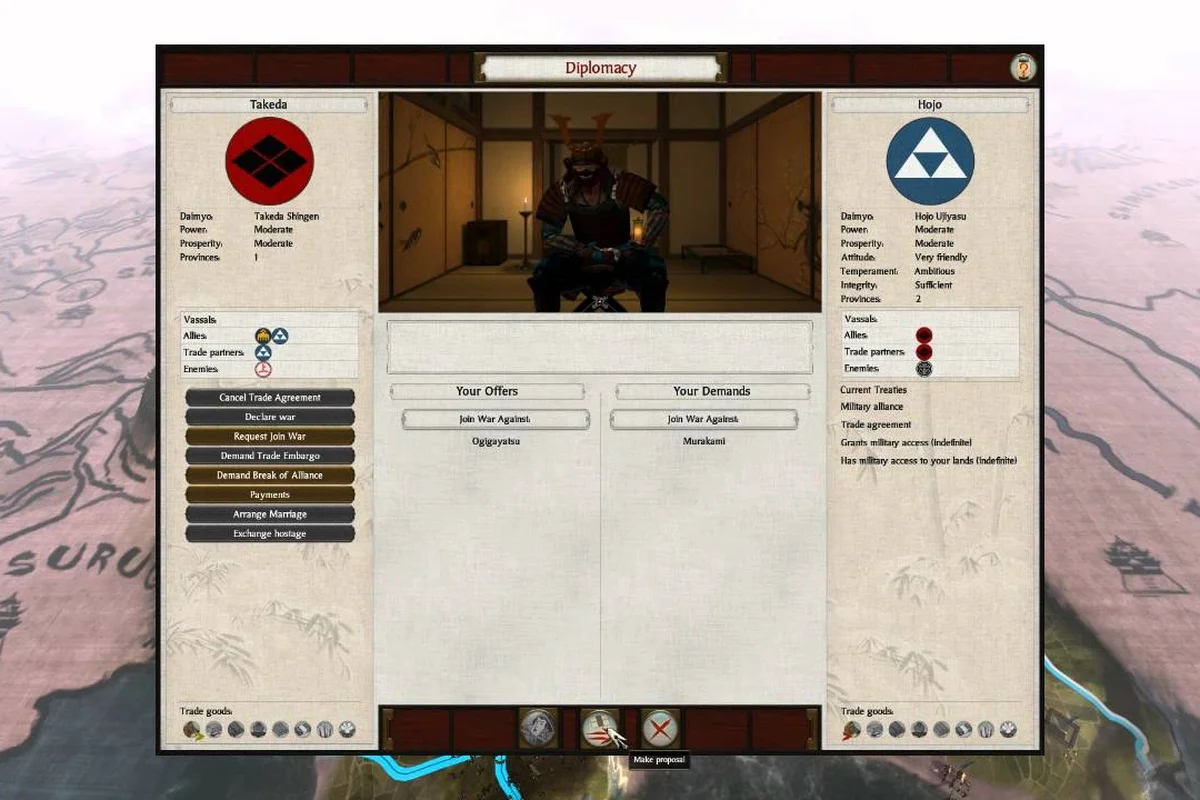
Total War: SHOGUN 2 How to Play Co-Op Campaign With Friends
Launch a Shogun 2 how to play co op campaign session with lobby setup, naval multiplayer basics, custom battle options, and eight-player Sengoku etiquette.