
Campaign
Total War: SHOGUN 2 campaign strategy — province development, food and taxation, diplomacy, vassals, agents, religion and surviving the Realm Divide event.
Introduction
The campaign map is where a SHOGUN 2 game is actually won or lost. Income comes from farms, markets and trade agreements, but every castle upgrade consumes food, so growth is capped by an agricultural base you have to build deliberately rather than opportunistically. Taxation is a blunt instrument: raising it suppresses growth in the province you tax, which is usually the province you most want to develop. Diplomacy is the cheapest border defence available to a small clan, and marriage alliances and long-standing trade agreements hold better than anything bought in a single turn. Agents extend all of this, providing intelligence, sabotage, religious conversion and assassination that change what wars are worth fighting.
Campaign System Priorities
| System | Core Mechanic | Priority |
|---|---|---|
| Food | Every castle tier consumes surplus; negative food freezes growth and triggers unrest | Highest |
| Economy | Markets and trade nodes fund armies; taxation suppresses provincial growth | High |
| Diplomacy | Marriage and trade agreements are free border defence and steady income | High |
| Agents | Ninja, metsuke, monks and geisha cover scouting, oversight and conversion | Medium |
| Religion | Mixed Shinto-Buddhist and Catholic provinces generate unrest | Medium |
| Realm Divide | Maximum fame or taking Kyoto turns every surviving clan hostile | Planning |
Campaign Systems
Food and Castle Growth
The single number that caps how fast any province in your domain can develop.
Markets and Trade
Where the money for samurai, siege engines and research actually comes from.
Diplomacy and Vassals
Buying borders instead of garrisoning them, which is what small clans live on.
Agents
Four specialist characters whose intelligence value exceeds their combat value.
Religion and Unrest
Conversion is powerful and destabilising in equal measure, so it has to be deliberate.
Realm Divide
The event that ends the midgame: maximum fame turns the surviving map against you.
Core Mechanics
The campaign map runs on a growth model where food is the binding constraint. Provinces generate wealth from farms, markets, ports and trade nodes, and wealth is converted into income at a tax rate you set. Castle tier determines how many buildings a province can support and how large a garrison it can hold, but each tier consumes food from the domain-wide pool. Research is the second long-term system: the Mastery of the Arts tree gates unit types, building upgrades and economic multipliers, and because research takes many turns it has to be committed to rather than sampled. Diplomacy, agents and religion are the modifiers layered on top, changing the cost of war, the reliability of intelligence and the stability of newly conquered territory.
Advantages
The campaign layer rewards planning over reaction more than any other part of the game. Because food, research and diplomacy all operate on long timers, a clan that decides its direction in the first twenty turns outperforms one that improvises, even with an identical starting position. Trade agreements are effectively free money and free border security, and there is no penalty for collecting as many as your reputation allows. Vassals multiply this effect, holding territory and fighting alongside you without consuming your build queue. Agents are the cheapest force multiplier in the game: a single scout that reveals an incoming army lets you avoid a battle entirely, which saves more than any unit it could have killed.
Challenges & Weaknesses
The systems are tightly coupled, which means a mistake in one propagates into the others. Overbuilding castles breaks the food pool, a broken food pool causes unrest, unrest requires garrisons, and garrisons cost the upkeep that was funding development in the first place. Taxation is a trap in the same way: the revenue is immediate and the growth penalty is delayed, so it looks free until a province stops growing. Diplomacy offers no permanent security, because Realm Divide voids nearly every agreement at the worst possible moment. And religion, which looks like a simple conversion mechanic, adds unrest in every province it touches while conversion is incomplete.
Frequently Asked Questions
Why is my castle not growing?+
What is the best way to make money in SHOGUN 2?+
How do I survive Realm Divide?+
How do agents work and which should I use?+
Quick Tips
Treat food as your primary resource and gold as the secondary one. Every castle upgrade, and many economic buildings, draws from a single domain-wide food pool, so the surplus number in the province list is the real limit on how fast your clan can grow. If that number is zero or negative, stop all castle upgrades immediately and build farms until it is comfortably positive. Growth in every province stops at once otherwise.
Place a metsuke in your richest province and leave them there. A metsuke stationed in a town raises the tax income it produces and suppresses the public order penalty that taxation causes, which means the same agent pays for itself twice over. Sending every agent to the front line as an assassin wastes the income they could have generated across a whole campaign.
Sign every trade agreement your reputation allows, because they cost nothing and cannot be revoked by you. Long-standing agreements also reduce the chance a partner joins a coalition against you, so the diplomatic value is real even when the income is small. Re-sign agreements the moment they expire rather than waiting for a better moment that will not come.
Decide your religion policy in the first twenty turns. Converting to Christianity unlocks firearms and foreign trade but damages relations with every Shinto-Buddhist clan and adds unrest while conversion is incomplete. Staying with the existing faith avoids that cost entirely. Either choice works, but a half-converted domain pays the unrest penalty without collecting the benefit.
Featured
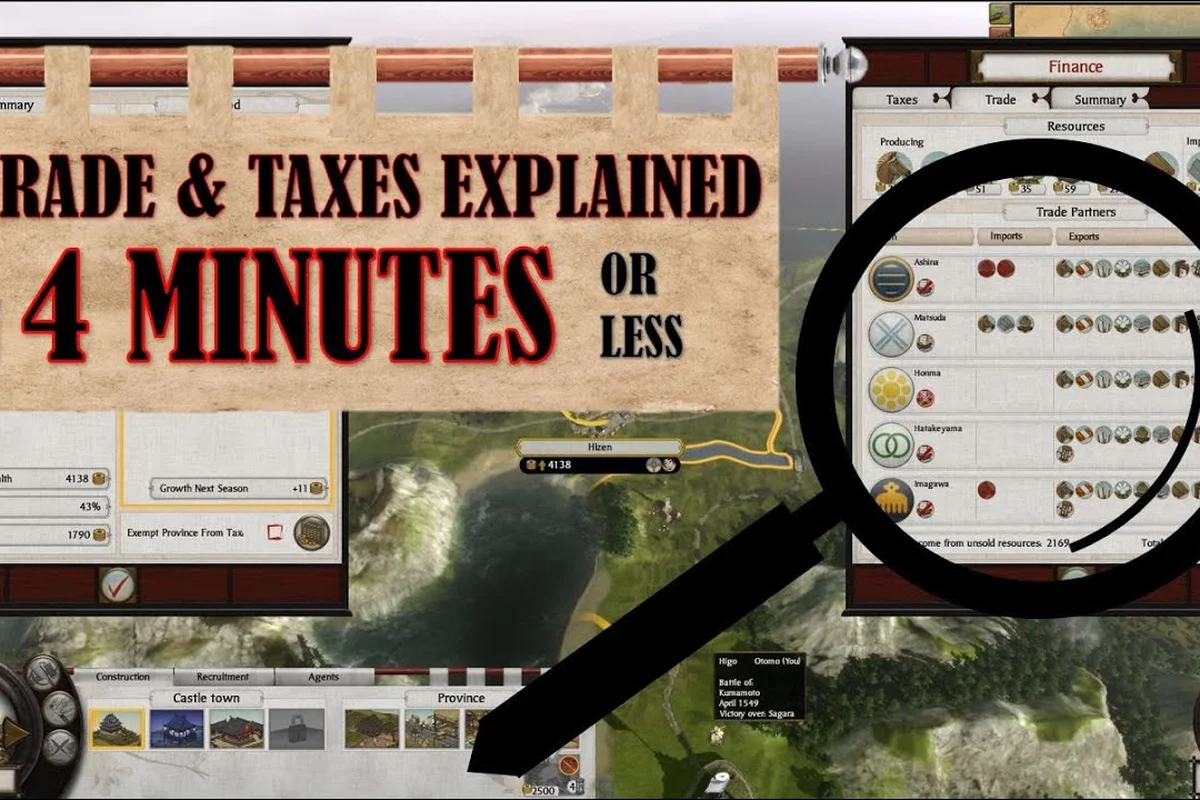
Total War: SHOGUN 2 Building Priority Order: Farms Before Armies
Learn the optimal Shogun 2 building priority for every province, from farms and markets to castle upgrades, so your tax income keeps climbing from turn one.
Total War: SHOGUN 2 How to Avoid Bankruptcy & Koku Drain
Stop bleeding koku with this Shogun 2 how to avoid bankruptcy playbook, covering army upkeep, recruitment timing, and replenishment costs that sink economies.

Total War: SHOGUN 2 Rise of the Samurai Campaign: Genpei War
Kick off your Shogun 2 Rise of the Samurai campaign with Genpei War faction picks, early conquest paths, and tips that set up the Fall of the Samurai sequel.
All Articles
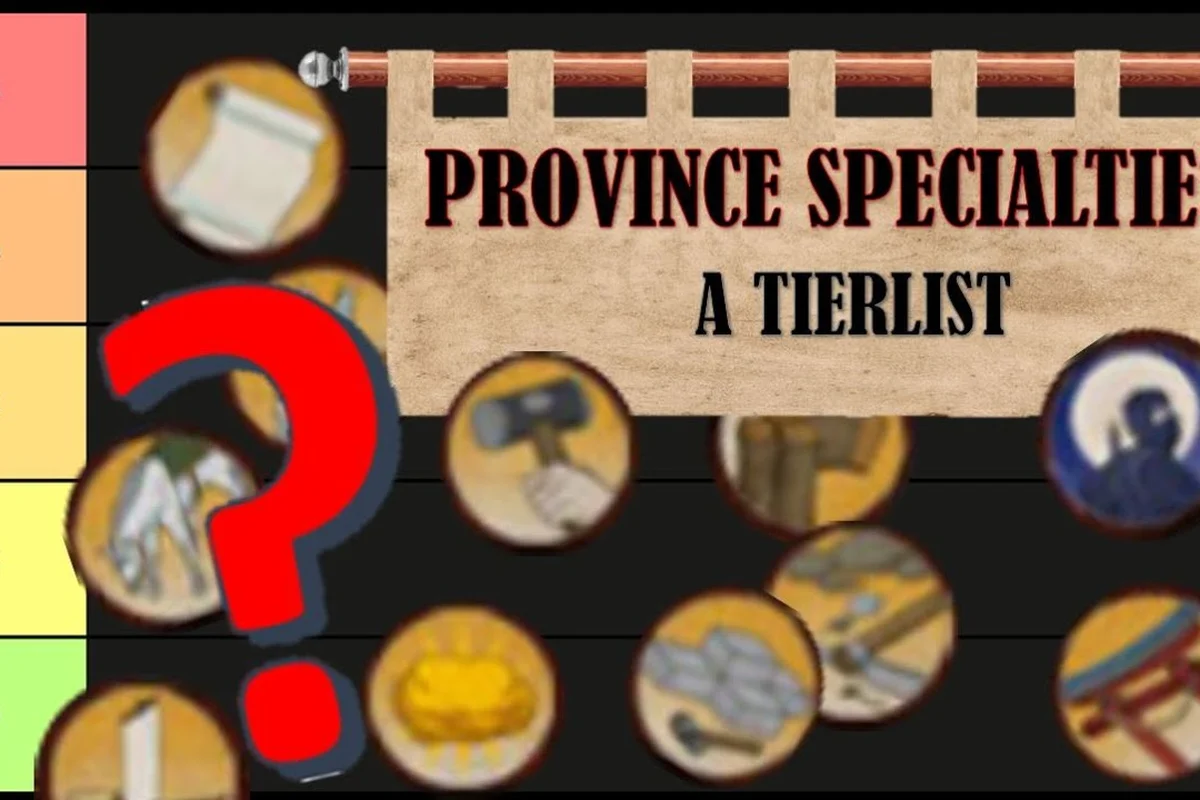
Total War: SHOGUN 2 Campaign Guide: Provinces, Buildings & Map
Run a tighter realm with this Total War Shogun 2 campaign guide, breaking down province specialities, town and castle upgrade paths, and where to spend every turn.
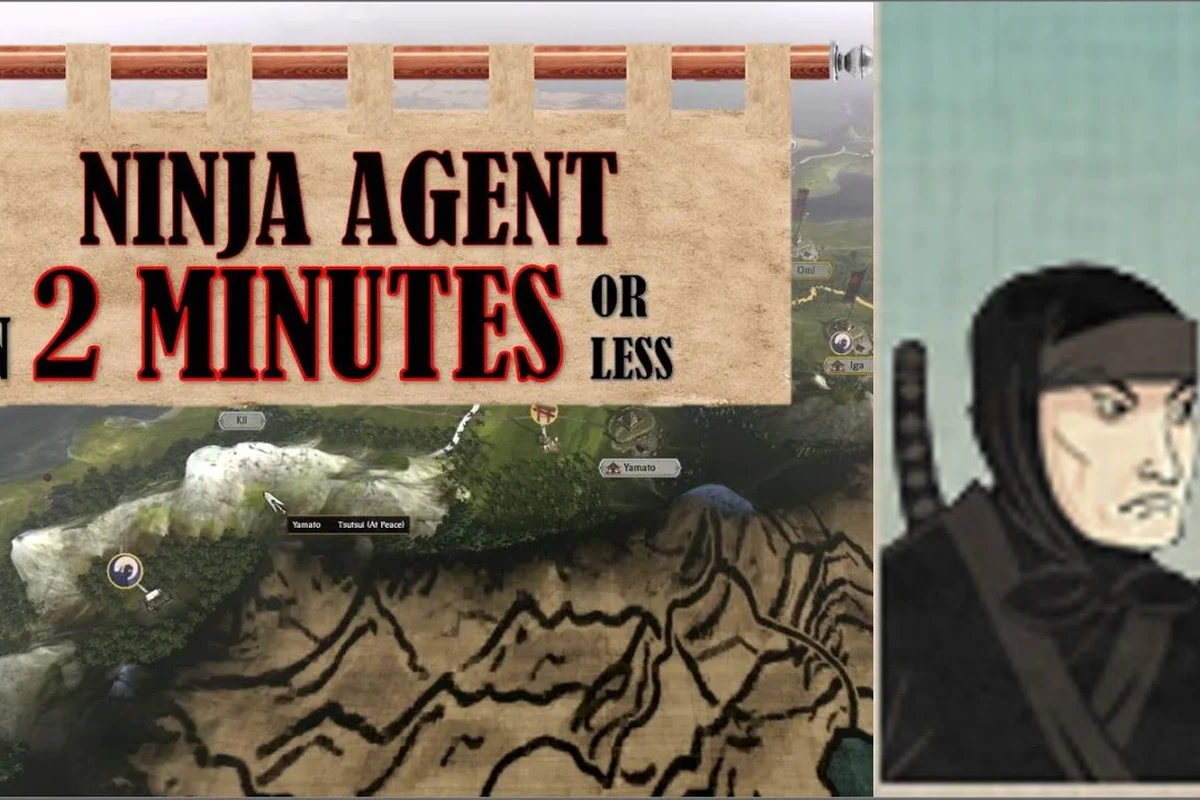
Total War: SHOGUN 2 Assassination Guide: Ninja & Geisha Plays
Turn covert ops into a Shogun 2 assassination toolkit: ninja and geisha targeting, mission success odds, and sabotage loops that cripple enemy armies.
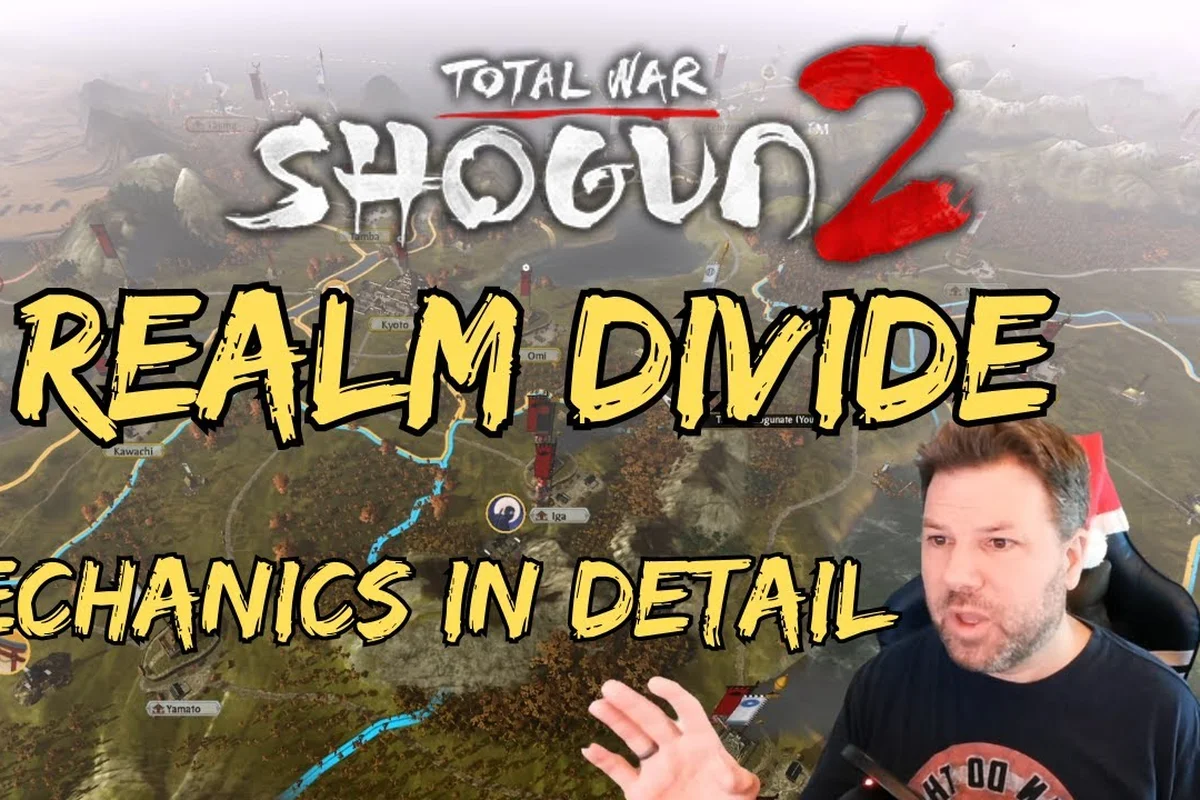
Total War: SHOGUN 2 Clan Fame Guide: March to Kyoto & Agent XP
Climb the Total War: SHOGUN 2 clan fame ladder with proven agent leveling paths, key skill picks, and the safest march-to-Kyoto route before rivals shut the door.
Total War: SHOGUN 2 Diplomacy Explained: Vassals & Trade Deals
Master Shogun 2 diplomacy explained through hands-on tactics for securing allies, sealing marriages, vassal strategy, and surviving the Realm Divide endgame.