
Technology
Mastery of the Arts research guide for Total War: SHOGUN 2 — Bushido military arts, Way of Chi civil arts, unlock conditions and research orders that avoid dead ends.
Introduction
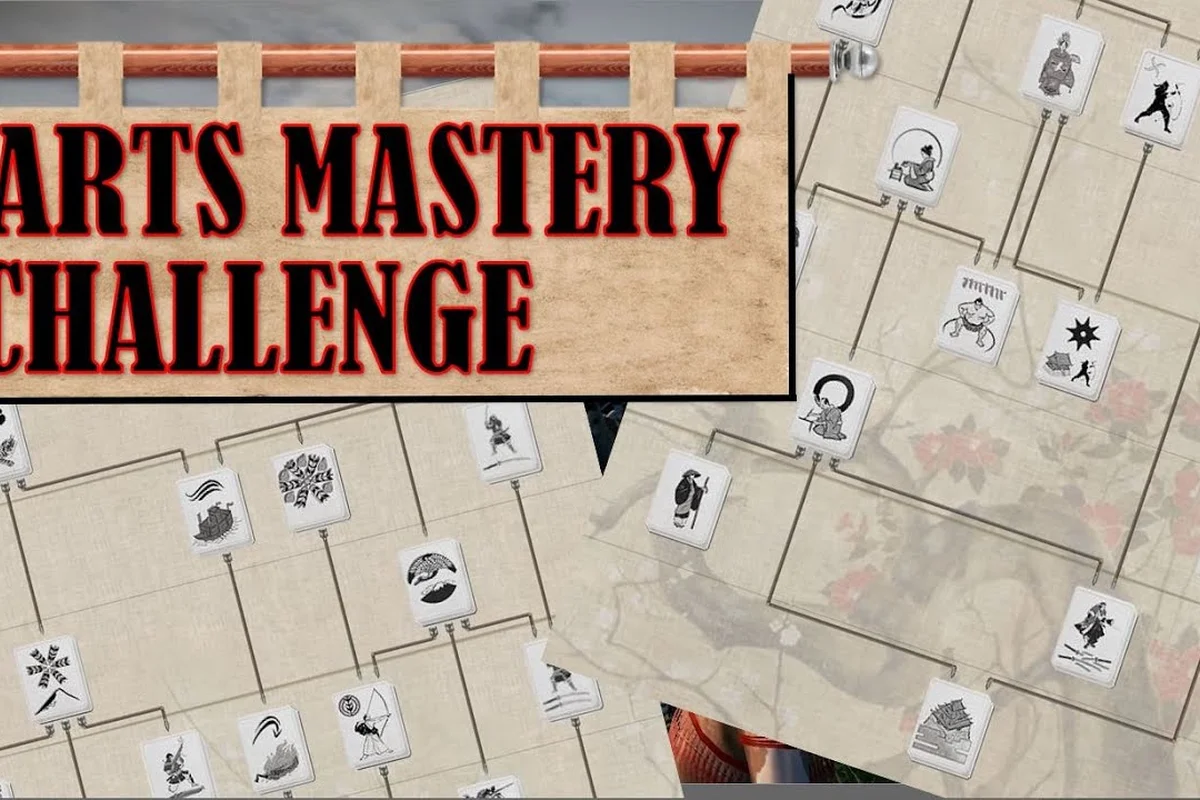
Research in SHOGUN 2 sits on a single tree called the Mastery of the Arts, split into a military Bushido half and a civil Way of Chi half. Bushido unlocks samurai unit types, armour and melee upgrades, and most of the buildings that let a clan field a professional army. Way of Chi unlocks farms, markets, temples and the economic multipliers that pay for everything else. Because research takes many turns and each art has prerequisites, choosing a branch is a genuine commitment rather than a shopping list, and a clan that spreads research across both halves usually arrives at its decisive battles with neither the units nor the income to win them. The order in which you take arts matters more than the arts themselves.
Research Branch Reference
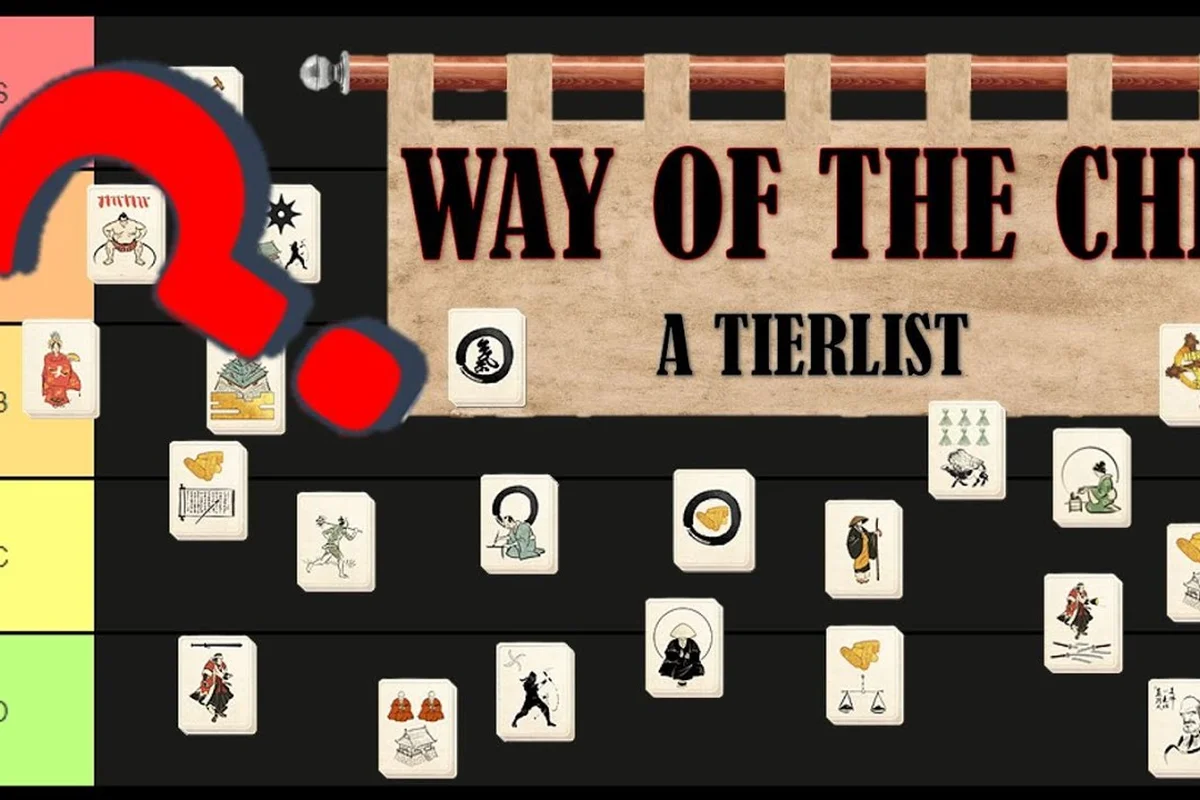
| Tier | Branch | Unlocks | When to Prioritise |
|---|---|---|---|
| S | Clan Signature Art | Your clan's defining unit or its main economic bonus | First ten turns, always |
| A | Farm and Market Arts | Higher provincial wealth and food output | Behind a stable military core |
| A | Melee and Armour Upgrades | Army-wide attack and defence bonuses | Before the first major war |
| B | Agent and Naval Arts | Stronger ninja, metsuke and ship classes | Once the economy can absorb it |
| B | Religious Arts | Faster and cheaper conversion | Only for a deliberate conversion plan |
| C | Late Siege and Specialist Arts | Heavy siege units and niche unit types | Rarely worth the research turns |
Research Priorities
Clan Signature Art
The single art that defines what your clan can field, taken first in almost every campaign.
Farm and Market Arts
The economic half of the tree, which funds every other research decision you make.
Melee and Armour Upgrades
Arts that improve every unit in your army rather than unlocking a new one.
Agent and Naval Arts
Specialist research that pays off once a clan has an economy to protect and a coastline to defend.
Late Siege and Specialist Arts
The end of the tree, where the campaigns that matter have usually already been decided.
Religious Arts
Research that accelerates conversion — powerful only if you have already decided to convert.
Core Mechanics
The Mastery of the Arts tree is a directed graph with prerequisites, not a set of independent techs. Each art costs research turns, and those turns are the only currency the system spends, so every choice delays every other choice by the same amount. Bushido arts generally unlock military buildings, unit types and army-wide stat bonuses, while Way of Chi arts unlock economic buildings, food improvements and diplomatic or religious modifiers. Some unit types are only reachable through a specific art, which means a clan that ignores Bushido entirely will never field katana samurai regardless of how much money it has. Research speed is also affected by buildings in the province that hosts the research, so developing the right town compounds the advantage.
Advantages
Research is the only system in the game that produces permanent, unconditional power. A unit unlocked by an art stays available for the rest of the campaign, and an economic multiplier continues paying every turn without further investment. Because the tree is public and identical for every clan, planning is possible: you can look up exactly which arts gate the units you intend to build and count the turns, rather than discovering a dead end thirty turns in. Army-wide upgrades are particularly strong value, since the same research turn improves every unit you will ever recruit. For a small clan, the economic branch is often worth more than a new unit type because it multiplies an existing army rather than adding a new one.
Challenges & Weaknesses
Research timing cannot be undone, and the tree punishes indecision more harshly than any other system. Splitting turns between Bushido and Way of Chi leaves a clan without the units to win battles or the economy to replace losses, which is the most common way a technically sound campaign still fails. Prerequisite chains are long, so a late change of plan means many wasted turns before the new direction produces anything. Some arts are also traps: religious and naval branches cost several research turns before returning any value, and the late siege branch usually arrives after the decisive battles are over. Finally, because some units are research-gated rather than building-gated, a wealthy clan can still be unable to field a unit type it can easily afford.
Frequently Asked Questions
Should I research Bushido or Way of Chi first?+
How long does research take in SHOGUN 2?+
Which arts unlock the most valuable units?+
Can I respec research decisions?+
Quick Tips
Decide the first three arts before you start, and write them down. Research turns are the only currency the tree spends, and every art you take delays every other art by the same amount, so an indecisive tree is strictly worse than a focused one. Check which arts gate the units you actually intend to field and count the prerequisites, rather than discovering mid-campaign that your ideal unit sits behind four arts you skipped.
Take the army-wide melee and armour upgrades once your core units are unlocked. A research turn that improves every unit you will ever recruit is worth more than a turn that unlocks one more specialist, particularly for a clan whose armies rely on cheap ashigaru holding a line while samurai do the killing. Upgrades also apply to units already in the field.
Do not open the religious or naval branches unless you have made a deliberate decision to convert or to fight for sea control. Both branches cost several turns before producing any return, and a clan that drifts into them halfway has paid the cost without committing to the strategy that would justify it. If your coastline matters, commit fully; if it does not, ignore the branch entirely.
Treat the late siege branch as optional. By the time its prerequisites complete, most campaigns are decided by province count, border depth and army size rather than by a heavier siege unit. The research turns are usually better spent on farm and market arts, which compound for the rest of the game instead of arriving after the decisive battles have already been fought.
Featured
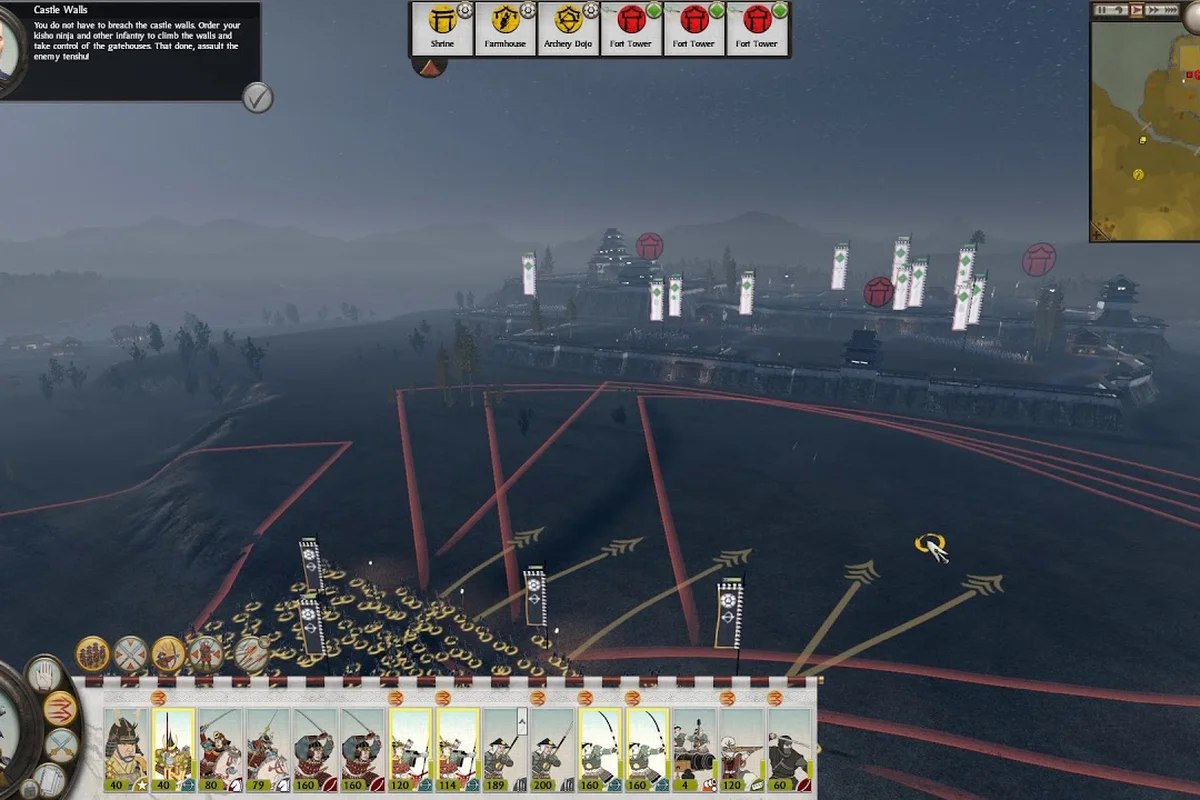
Total War: SHOGUN 2 Castle Technology: Elite Unit Unlocks
Map Shogun 2 castle technology arts that recruit katana samurai, bow samurai, cavalry, and monks, with province building order for every elite unlock.
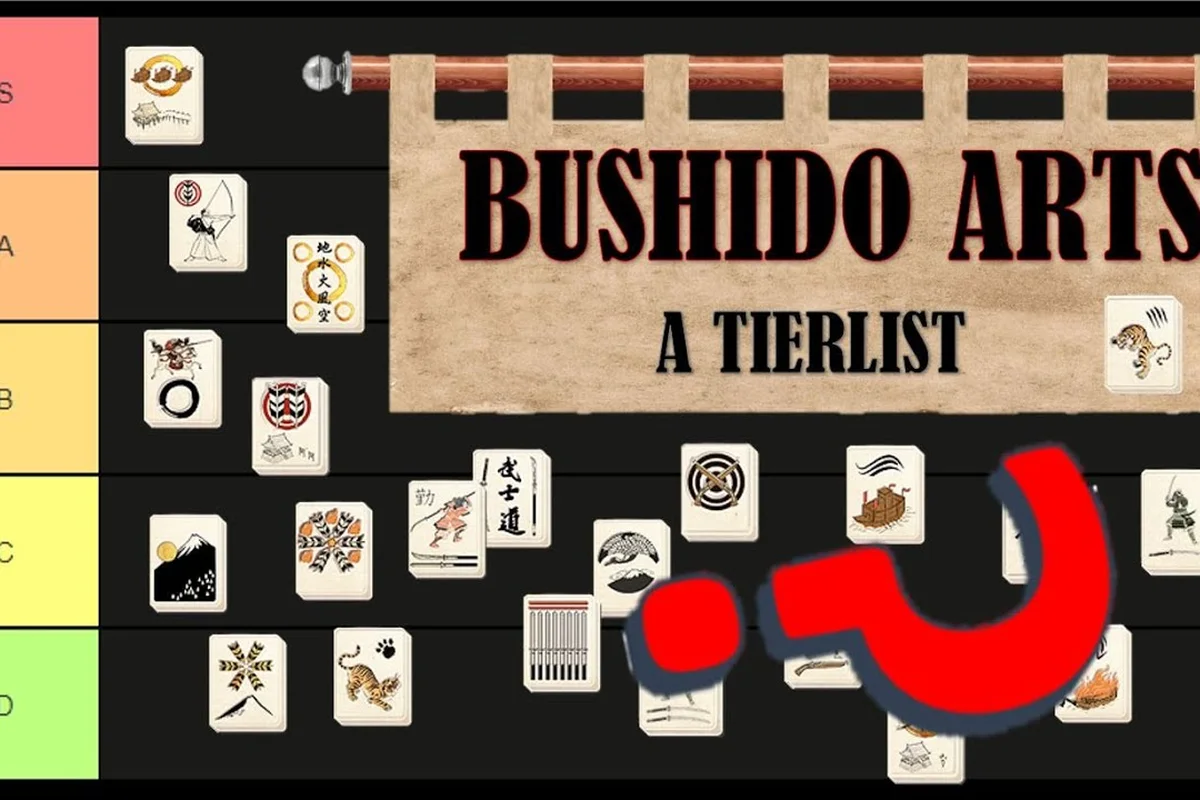
Total War: SHOGUN 2 Tech Tree Explained: Military & Economy
Break down every Shogun 2 tech tree explained branch side by side, with military, civil, and economic arts picks that boost farms, markets, and battlefield units.
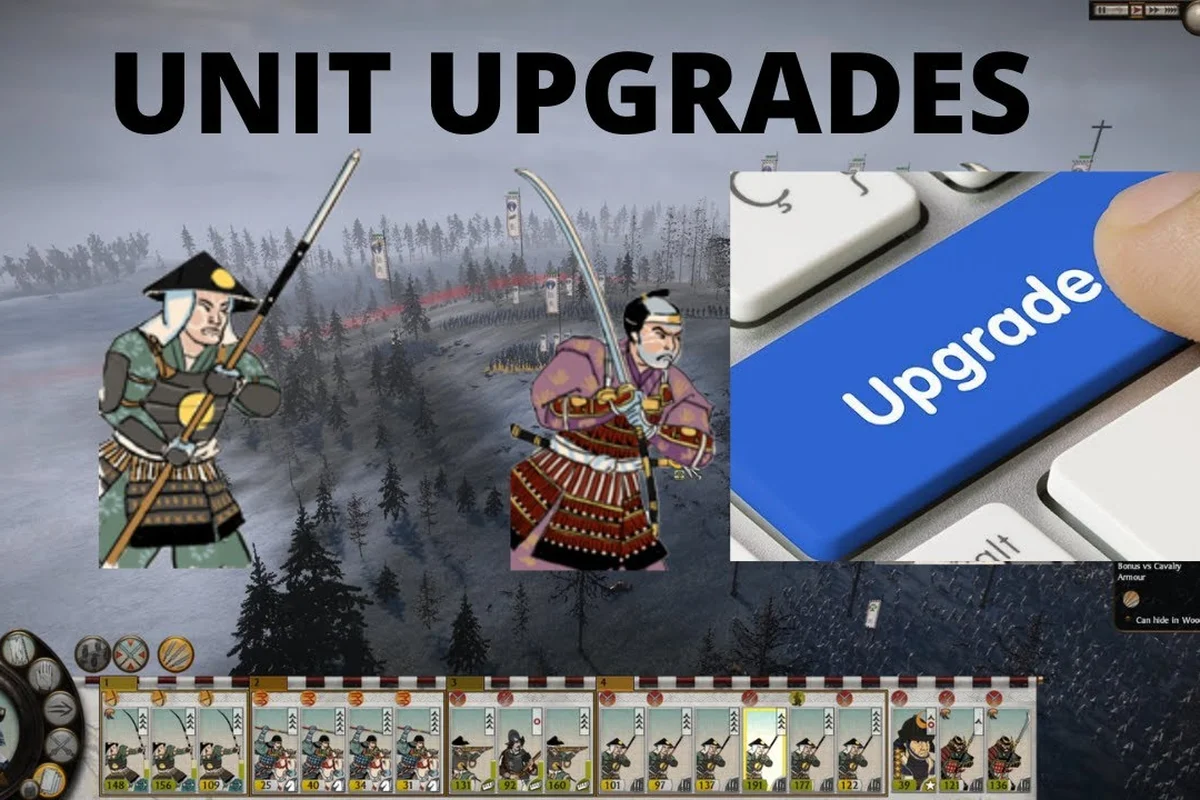
Total War: SHOGUN 2 Technology Tree: Bushido vs Chi Arts
Navigate the Total War Shogun 2 technology tree with a clear Bushido vs Chi breakdown, best arts to research first, and a research order for mastery.
All Articles
Total War: SHOGUN 2 Siege Art Unlock: Naval & Armour Arts Path
Track every Shogun 2 siege art unlock alongside naval bombardment, armour, weapon, accuracy, and agent arts so your castles and fleets upgrade on a clear schedule.
Total War: SHOGUN 2 Technology Cheat Sheet: Every Art Listed
Cross-check the full Shogun 2 technology cheat sheet across base game, Rise of the Samurai, and Fall of the Samurai, comparing traditional versus modern arts.
Total War: SHOGUN 2 Christian Arts Tree: Otomo & Ikko Ikki
Plan the Shogun 2 Christian arts tree across Otomo and Ikko Ikki branches, with research point priorities and the fastest faith-driven tech rush.