
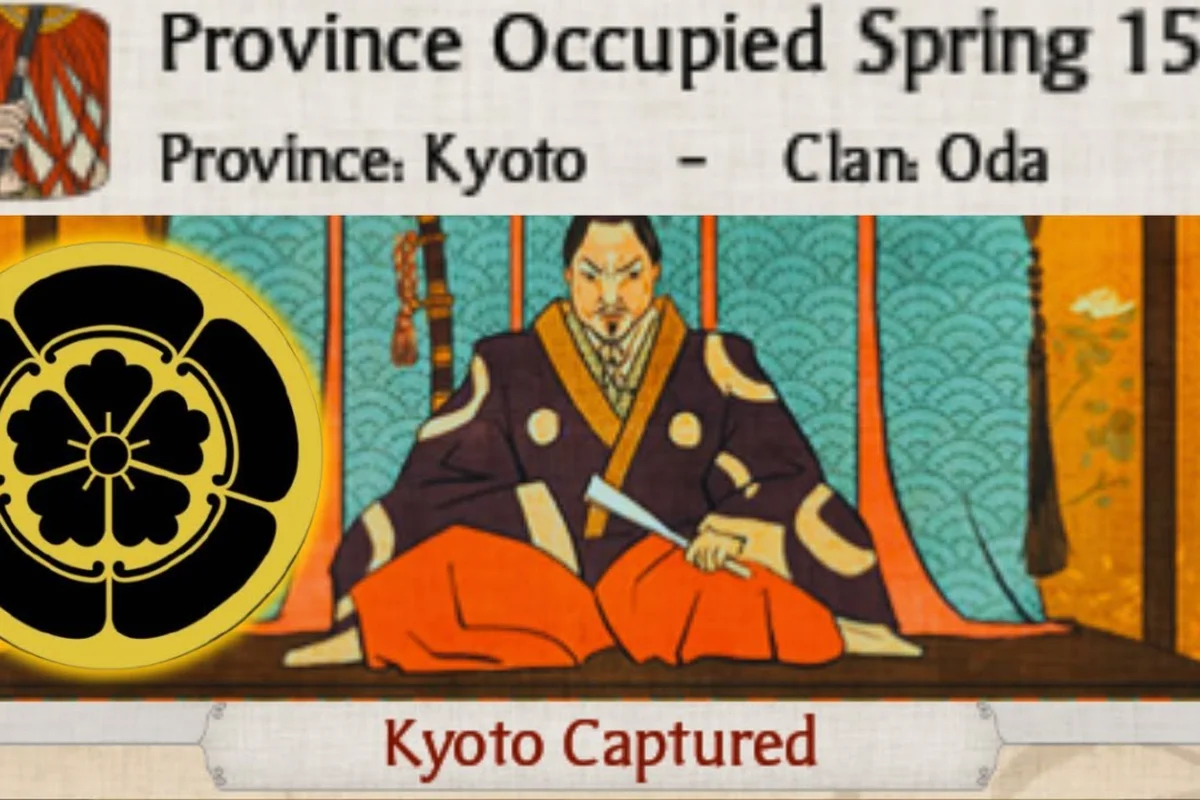
Choosing the right clan is the single biggest decision a player makes in Shogun 2, because every roster, economy modifier, and starting position shapes how a campaign actually plays. The Complete Edition, rebuilt for modern hardware and documented on the Total War: SHOGUN 2 Complete Edition Steam page, pulls the base game together with the Rise of the Samurai prequel and the Fall of the Samurai expansion, so the catalogue now includes Sengoku-era warlords, Genpei War houses, and Boshin War domains in one build. This Shogun 2 faction guide Complete Edition walks through every playable family across all three campaigns, with the unit cards, faction effects, and starting geography that matter when picking a save file, and the deeper breakdown of every clan's traits, unit rosters, and victory conditions lives in our full Total War Shogun 2 Factions reference.
Shogun 2 Base Game Clans at a Glance
The 2011 base game ships with nine major clans and several smaller playable families, each anchored to a real historical figure from the Sengoku period. The Complete Edition rebuild does not add new base-game clans, but it promotes more than fifty minor factions from AI-only to playable, so the practical roster is wider than the 2011 launch build. Every base clan carries a unique family effect, a religion choice between Buddhism and Shinto, and a starting province that defines their early diplomatic position.
| Clan | Historical Leader | Faction Effect | Starting Region | Playstyle |
|---|---|---|---|---|
| Oda | Oda Nobunaga | +2 Replaces ashigaru with cheaper, higher-morale variants | Owari (central Honshu) | Aggressive mid-game, snowball economy |
| Takeda | Takeda Shingen | Mounted samurai buff, +3 to cavalry recruitment | Kai (mountains east) | Cavalry rush, defensive border |
| Uesugi | Uesugi Kenshin | Reduced cost for naginata samurai, religion synergy | Echigo (Sea of Japan coast) | Hybrid offense, religious pressure |
| Shimazu | Shimazu Yoshihiro | Improved bow ashigaru, naval tradition bonus | Satsuma (southern Kyushu) | Island-hopping, southern expansion |
| Date | Date Masamune | Cheaper matchlock units, trade bonus | Mutsu (northern Honshu) | Slow buildup, gunpowder finish |
| Hattori | Hattori Hanzo | Ninja-focused unit roster, stealth bonuses | Iga province | Single-province, assassination-heavy |
| Imagawa | Imagawa Yoshimoto | Diplomatic bonuses, cheaper retainers | Suruga (Tokaido) | Diplomatic mid-game |
| Ikko Ikki | Religious league | Warrior monks, temple economy, religion-locked | Multiple temple provinces | Wide expansion, heretic diplomacy |
| Hojo | Hojo Ujiyasu | Coastal trade, naval bonuses | Sagami (Kanto coast) | Trade empire, layered defenses |
The two most-picked entry clans for new players are Oda, because of the Cheaper Ashigaru discount that smooths the income crisis in the first ten turns, and Shimazu, because of the naval tradition that lets them survive in a corner of the map other clans have to walk through enemy lines to reach. Date and Uesugi are the harder picks: Date starts in a frozen northern province that is hard to feed, and Uesugi has a religion mechanic that does not pay off until the mid-game.
The base game roster is best learned by playing the same opening turns in different families, because most of the difference between clans is not in the unit card but in the family effect and the starting neighbours. Oda gets cheaper ashigaru, which is a flat economy advantage, while Takeda gets cavalry buffs that are wasted in the early game when the player cannot afford the units. The faction guide Complete Edition context matters here, because the rebuild does not touch the base-game balance, so the tier list for the 2011 clans is the same tier list the rebuilt client uses.
Rise of the Samurai Clans and the Genpei War Setting
The Rise of the Samurai campaign pushes the campaign clock back four centuries to the late Heian period, which means the unit roster is built around earlier samurai, more cavalry, and very limited gunpowder. The expansion adds nine major clans covering the Taira, Minamoto, and Fujiwara factions, plus several smaller families that round out the Genpei War. The Rise of the Samurai clans are the right place to start if the player wants a slower, more cavalry-led campaign than the Sengoku base game.
| Rise of the Samurai Clan | House | Faction Effect | Playstyle Notes |
|---|---|---|---|
| Taira | Taira no Kiyomori | Naval dominance, retainers, +2 naval recruitment | Southern fleet, Kyoto pressure |
| Minamoto | Minamoto no Yoshitsune | Legendary general buff, cavalry charge bonus | Northern push, hero-led armies |
| Fujiwara | Fujiwara no Hidehira | Court politics bonuses, reduced retainers cost | Political play, eastern consolidation |
| Satake | Minamoto-aligned | Cheaper yari ashigaru, northern trade | Slow northern economy |
| Fujiwara (Northern) | Northern branch | Mountain defence, reduced upkeep in home province | Defensive, attrition play |
| Hatakeyama | Taira-aligned | Mixed cavalry, balanced roster | Hybrid build |
| Taira (Branch) | Western Taira | Naval and bow ashigaru focus | Coastal raids |
| Minamoto (Branch) | Eastern Minamoto | Cavalry focus, religious shrines | Expansion through religion |
| Abe | Northern clan | Mountain defence, hunter bonuses | Forest ambush play |
Taira Clan Strategy and the Southern Fleet
The Taira clan guide for Rise of the Samurai comes down to one mechanic: the Naval Dominance faction effect, which reduces ship upkeep and increases recruitment speed. The Taira start in the Inland Sea with several ports, so the early game is a naval race against the Minamoto to secure sea lanes, because whoever controls the sea controls the supply lines into Kyoto. Taira armies are mixed cavalry-and-bow builds, which are weaker than pure Minamoto cavalry in field battles but stronger at sieges because the unit roster includes more bow specialists.
The Taira economy works best when the player invests the early-game treasury into port upgrades, because the +2 naval recruitment stacks with the +1 from port buildings to give a flat +3 across the fleet. Taira retainers are also slightly cheaper than Minamoto retainers, so the clan can afford more agents than its rival, which matters when the player wants to run assassinations against enemy generals. The Taira playstyle is unforgiving if the player loses naval control, because the southern provinces do not have the same depth of cavalry recruitment as the northern Minamoto heartland.
Minamoto Clan Strategy and Cavalry Timing
The Minamoto clan guide starts with Yoshitsune, a faction leader with one of the highest melee stats in the entire campaign, which makes the early-game army stronger than the army of almost any rival. The Minamoto faction effect buffs cavalry charge damage, which means a Minamoto player can win early battles with a smaller army as long as the cavalry is on the field. The Minamoto start in the Kanto plain, which is wider than the Taira start, so the early game is a land race, not a naval race.
The Minamoto economy does not have the Taira trade bonuses, so the player needs to push south aggressively to capture ports before the campaign clock forces a winter battle. The unit roster is built around earlier-period cavalry that is weaker against gunpowder in the late game, so the player should aim for a short campaign rather than a long grind. The Minamoto are the recommended Rise of the Samurai clan for players who want hero-led field battles and do not mind a steeper early economy.
Fujiwara Clan Strategy and Court Politics
The Fujiwara clan guide is the only Rise of the Samurai faction that plays primarily through agents rather than armies, because the Court Politics faction effect reduces the cost of retainers and gives a small bonus to influence gains at court. The Fujiwara start in the northern provinces, far from Kyoto, so the early game is a holding action while the player builds agent capacity for the long push south. Fujiwara armies are average by Rise of the Samurai standards, so the player should not expect to win a straight field battle against a full Minamoto cavalry stack.
The Fujiwara reward is that once the player takes Kyoto, the Court Politics effect unlocks a chain of unique retainers and missions that no other clan can access. The Fujiwara playstyle is the slowest of the three major houses, and it is the right pick for a player who has already finished a Taira or Minamoto campaign and wants a different path through the same Genpei War setting.
Fall of the Samurai Factions and the Boshin War
The Fall of the Samurai campaign moves the clock forward to 1864 and replaces the Sengoku roster with line infantry, artillery, ironclads, and railways. The expansion adds ten major clans split between the Imperial side and the Shogunate side, plus a handful of smaller families for the more political corners of the Boshin War. The Fall of the Samurai clans matter for anyone who wants the gunpowder-and-steam version of the same Total War formula, because every unit card from the base game is replaced by a 19th-century equivalent, and the family effects change entirely.
| Fall of the Samurai Faction | Side | Faction Effect | Playstyle Notes |
|---|---|---|---|
| Choshu | Imperial | Cheaper line infantry, modernisation bonuses | Aggressive push, gunpowder-led |
| Satsuma | Imperial | Naval line infantry, rifle units | Southern fleet, island assault |
| Tosa | Imperial | Trade bonuses, diplomacy | Political play, southern ports |
| Hizen | Imperial | Steamship focus, naval trade | Modernisation through trade |
| Saga | Imperial | Reduced rifle cost, modernisation | Hybrid Imperial build |
| Sendai | Imperial | Northern defence, line infantry | Slow northern start |
| Owari | Imperial | Central start, mixed roster | Balanced |
| Aizu | Shogunate | Traditionalist bonus, cheaper samurai | Defensive Shogunate, mixed-era armies |
| Tsu | Shogunate | Castle defence, port bonuses | Southern Shogunate |
| Nagaoka | Shogunate | Northern defence, modernisation penalties | Hardest Shogunate start |
Choshu Clan Strategy and the Imperial Push
The Choshu clan guide for Fall of the Samurai is built around the Cheaper Line Infantry effect, which cuts the upkeep on the basic rifle-armed unit and lets the player run a larger front line than any Imperial rival. Choshu starts in the western end of Honshu, with two nearby ports and an early-game neighbour in Tsu, which means the first ten turns are about securing the inland provinces before pushing east toward Kyoto. The Choshu army is the textbook Imperial build, with line infantry in the centre, rifle cavalry on the flanks, and a small artillery train for the siege finish.
The Choshu economy does not have the trade bonuses of Tosa or Hizen, so the player needs to fund the early war machine through conquest rather than commerce. The Choshu reward is the Modernisation mechanic, which lets the player skip a tier of the Imperial research tree if they capture a specific province in the early game, so the campaign can snowball if the opening moves go well. The Choshu are the recommended Imperial clan for a player who wants the standard Boshin War experience without the diplomatic overhead of Tosa.
Shogunate Sides and the Traditionalist Build
The Shogunate side of Fall of the Samurai is built around the tension between traditional samurai armies and imported modern units, and the Aizu clan is the textbook example. The Aizu faction effect reduces the cost of samurai units, which means the early-game army is a mix of line infantry and sword-armed traditionalists, and the player can choose whether to modernise the roster or lean into the older samurai aesthetic. Aizu starts in northern Honshu, far from Kyoto, so the early game is a defensive campaign that pivots to a southern push once the player has the industry to support a larger army.
The Shogunate clans pay a steeper modernisation cost than the Imperial clans, because the Modernisation Penalty stacks with the higher cost of artillery and ironclads. The Shogunate playstyle is the harder of the two sides, which is why most tier lists place Aizu above Nagaoka and Tsu: Aizu has the best starting position, the cheapest traditionalist units, and the most direct line to the Imperial heartland once the economy is established. The Aizu guide is also the right place to start if the player wants the mixed-era army that no Imperial faction can field.
Choosing Between Imperial and Shogunate
The Imperial side is faster to modernise, cheaper to recruit line infantry, and easier to learn, while the Shogunate side is slower, more traditionalist, and rewards a player who can hold a defensive line until the late game. The Imperial side gets more trade bonuses and more port access, while the Shogunate side gets cheaper samurai and a defensive faction effect on most of its clans. The choice between sides is not a moral choice, because the game treats both as playable factions with their own win conditions and their own research trees.
For a first Fall of the Samurai campaign, Choshu is the standard recommendation, because the cheaper line infantry makes the early economy easier to manage than any Shogunate start. For a second campaign, Aizu is the right pick if the player wants the mixed-era army, and Nagaoka is the right pick if the player wants the hardest possible Shogunate start. The rebuild documented on the Complete Edition Steam community hub does not change the faction balance, so the same tier list applies to the modern build.
Cross-Faction Mechanics and the Complete Edition Rebuild
The Complete Edition rebuild is the same Total War: SHOGUN 2 that shipped in 2011, with reworked lighting, shadows, textures, interface scaling for 1440p and 4K displays, revised mouse and keyboard controls, and full Japanese and Chinese voice acting. The expansion history matters here, because the Ikko-Ikki Clan Pack added a warrior-monk faction with its own technology branch, the Sengoku Jidai Unit Pack added ten elite units, and the Saints and Heroes pack added nine hero units. The expansion history also pushed back the timeline of Rise of the Samurai by four centuries and forward to the Boshin War in Fall of the Samurai, so the rebuild covers roughly six hundred years of Japanese conflict.
| Mechanic | Base Game | Rise of the Samurai | Fall of the Samurai |
|---|---|---|---|
| Religion | Buddhism vs Shinto | Stronger religion mechanic | Secularised, no religion screen |
| Unit era | Sengoku | Heian / Kamakura | Bakumatsu / Meiji |
| Gunpowder | Matchlock only | Almost none | Bolt-action rifles and artillery |
| Naval units | Sengoku-era ships | Early-period ships | Ironclads and steam frigates |
| Faction count | 9 major + many minor | 9 major | 10 major |
| Economy | Trade and agriculture | Agriculture dominant | Trade, railways, industry |
| Campaign length | 100+ turns | ~50 turns | 50-70 turns |
The mechanic table shows why faction choice is the most important decision a player makes: the Religion mechanic matters in the base game and in Rise of the Samurai but is gone in Fall of the Samurai, while the Trade and Industry mechanic is a side feature in the base game and the primary win condition in Fall of the Samurai. A player who picks the wrong faction for the wrong campaign is fighting the game design, not fighting the AI.
The Complete Edition rebuild also adds a Steam Workshop browser through Mod.io, which means the playable roster is wider than the official nine plus ten plus ten figure. Mod.io packs can promote minor factions, replace unit cards, or add entirely new clans, but the practical starting point is the official roster, because the workshop items are community work and are not always balanced against the original faction effects.
Frequently Asked Questions
Which clan is the easiest for a new player in the base game?
Oda is the easiest clan for a new player because of the Cheaper Ashigaru faction effect, which reduces the upkeep of the most common unit type and smooths the early-game income crisis. Oda also starts in central Honshu with several expansion paths, which means the player is not forced into a naval or a pure land campaign in the first ten turns.
Is the Taira or Minamoto clan better in Rise of the Samurai?
The Taira is better for a player who wants a naval campaign, because the Naval Dominance faction effect reduces ship upkeep and stacks with port upgrades. The Minamoto is better for a player who wants hero-led field battles, because the Yoshitsune-led army and the cavalry charge bonus win early battles with a smaller force. Neither is strictly stronger; the choice depends on whether the player prefers a fleet play or a cavalry play.
What is the best Fall of the Samurai clan for beginners?
Choshu is the best beginner clan in Fall of the Samurai because of the cheaper line infantry, the western start with two ports, and the Modernisation mechanic that lets the player skip a research tier if the opening moves go well. Choshu is the textbook Imperial build, which means the player can learn the standard Fall of the Samurai economy without the defensive overhead of a Shogunate start.
Are the minor factions worth playing in the Complete Edition?
The Complete Edition rebuild promotes more than fifty minor factions from AI-only to playable, but the major clans are the right place to start, because the minor factions do not have unique faction effects and the unit roster is unchanged. Minor factions are useful for a second or third campaign when the player wants a different starting province or a harder economy, but they are not recommended for a first run on a new campaign.
Does the Complete Edition rebuild change the faction balance?
No, the rebuild documented on the official Steam page does not change the faction balance, so the 2011 tier list for the base game and the original tier list for the Rise of the Samurai prequel and its Fall of the Samurai successor are still accurate. The visual changes, the interface scaling, and the new voice acting are the only major changes, and none of them touch the family effects or the unit stats.