
Research rarely wins a battle on its own, but it decides which battles you can afford to fight, and in SHOGUN 2 that decision is locked in once per art on a single shared research queue. This breakdown of the Shogun 2 tech tree explained system covers both base-game philosophies, Bushido and Way of Chi, plus the Modernisation axis that arrives with Fall of the Samurai, and it traces what each branch actually unlocks on the campaign map. You will find turn-cost estimates, the arts that repay themselves inside ten turns, and a research order that keeps a mid-game treasury solvent while the frontline still gets its armour upgrades.
How the Mastery of the Arts Tree Shapes Your Campaign
The Shogun 2 tech tree explained in plain terms is the Mastery of the Arts research screen, which sits at the center of every long campaign. Every clan in the base game researches through two parallel philosophies — the warrior path called Bushido and the scholarly path called Way of Chi — while the Fall of the Samurai expansion adds a third axis, Modernisation, that splits the same map into traditional and western branches. According to community testing, a clan that finishes the wrong half of this tree by turn 30 often loses two key provinces before the first army is fully kitted out, which is why the first decision (which philosophy to push) matters more than any single research pick.
Each tier costs more turns than the last, research speed scales with the number of agents stationed in your provinces, and only one arts slot can be active at a time on the campaign map. That bottleneck forces a real choice between short-term economic relief and long-term military dominance, and it is the reason most experienced players in the community report running a strict four-tier priority list rather than free-picking whatever looks shiny.
| Philosophy | Theme | Best When You Need | Risk If Ignored |
|---|---|---|---|
| Bushido | Military tradition, samurai, armor | A hard frontline clan like Takeda or Date | Falls behind in armor and yari upgrades |
| Way of Chi | Civil governance, religion, economy | A trade or religion-focused clan like Hattori | Slow tax income, weak agent growth |
| Modernisation (FotS) | Western guns, railways, industry | A Boshin War campaign pushing Imperial or Shogunate | Cannot recruit late-game line infantry |
Shogun 2 Bushido vs Chi at a Glance
The heart of the Shogun 2 Bushido vs Chi debate is that both philosophies unlock roughly the same number of nodes, but each one feeds a completely different army. Bushido research ends in unlockable samurai-tier units, katana upgrades, and melee bonuses across the board, while Chi research feeds agent experience, religion-boosted tax income, and castle-town upgrades. The two trees also share a handful of economic nodes that either side can pick up, which is why a player can dip into Chi for a market boost without committing the whole campaign to scholarship.
Where Bushido Pulls Ahead
Bushido is the obvious pick when your opening army is built around yari samurai and matchlock ashigaru, because the tree reduces recruit cost and upkeep on those exact unit types. The upper tiers add Tetsubo Warrior Monk discounts and unlock the fearsome Heroic Naginata Warrior Monk unit, which according to community reports can single-handedly break an enemy line when upgraded with the right dojo building. The end-game node of Bushido also unlocks the Shogun's Guard building chain, the single most expensive unit recruitment in the base game.
Where Way of Chi Pulls Ahead
Way of Chi is the better research priority for a clan that wants a peaceful, mercantile start, because its middle tiers are stacked with religion and trade bonuses that show up as gold income every turn. By the time you reach the upper tiers of Chi, the Christian Mission building chain becomes available, which is a massive boost for clans that lean on missionary agents. The trade-off, of course, is that an army built on a Chi-research foundation will lose a direct fight against a fully Bushido-researched opponent until the later tiers catch up.
| Tier | Bushido Highlight | Way of Chi Highlight |
|---|---|---|
| 1 | Reduced yari ashigaru upkeep | +5% province income |
| 2 | +1 melee attack for samurai | Faster agent training |
| 3 | Unlock Naginata Warrior Monk | Christian Mission chain |
| 4 | Unlock Shogun's Guard | Major religion bonus |
| 5 | Top-tier melee armor research | Top-tier trade and tax bonus |
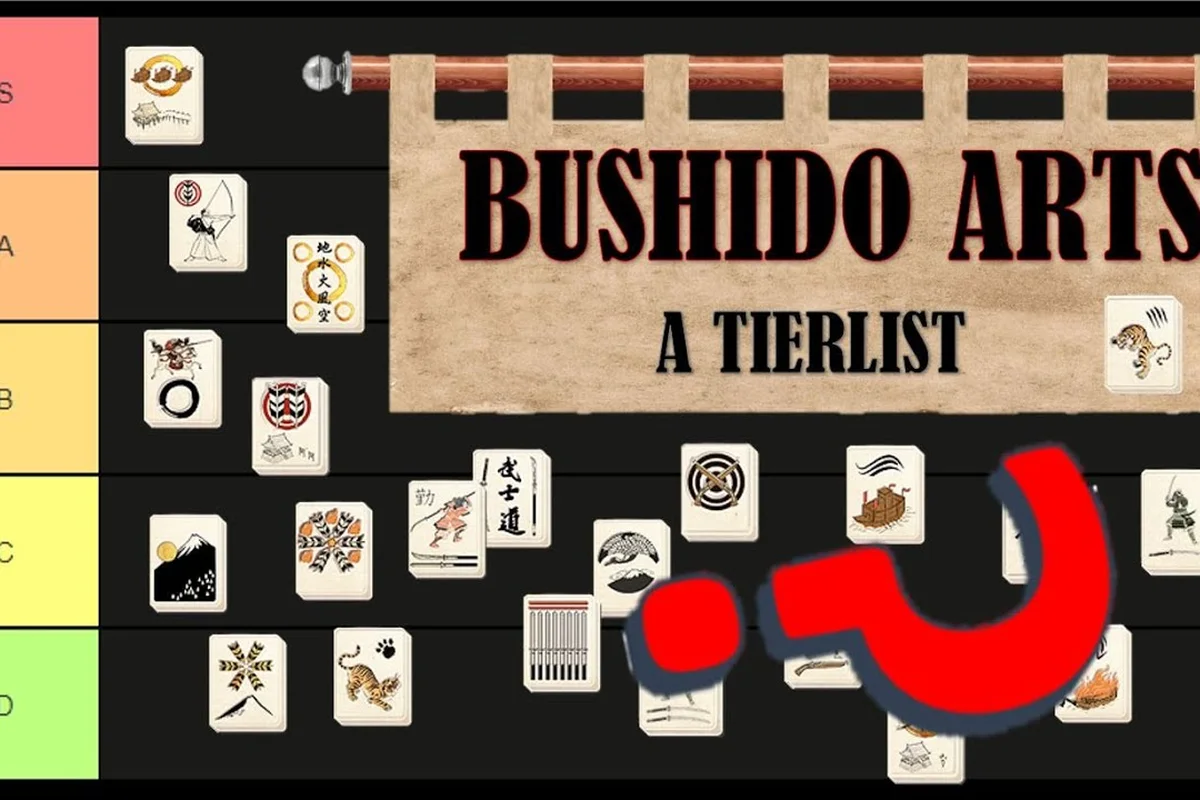
A practical research order, validated by community tier lists on YouTube, opens with Bushido nodes that feed the first decisive battle, then pivots to Chi for the long economy push, then returns to Bushido for the late-game elite units. This rhythm is well documented in the Bushido Arts tierlist by community creator The Viking General on YouTube, and the same logic shows up in the Way of the Chi tierlist by the same creator at The Viking General's Chi tierlist.
A Practical Shogun 2 Military Arts Guide
The Shogun 2 military arts guide you actually use on a campaign is shorter than the full research list, because most of the military-boosting nodes live inside the Bushido tree. The actionable picks are Yari Drill (reduces yari ashigaru recruit cost), Katana Tradition (boosts samurai melee attack), and Warrior Monk Discipline (speeds up the recruitment of religious units). These three are the backbone of any army that needs to hold ground in a multi-province war, and a player who picks all three by turn 25 will out-recruit most AI clans on the campaign map.
Choosing the Right Research Slot
The slot you pick at the start of each turn sets the tone for the next eight to twelve turns, because the active arts research runs in the background while everything else keeps moving. A safe opening for a beginner is to grab Yari Drill first, because the unit it buffs is the cheapest in the game and shows up in every siege battle. A more aggressive opening is to start with Matchlock Mastery, which unlocks the matchlock ashigaru building chain and gives the army ranged capability that most early AI armies simply cannot answer.
| Opening Research Pick | Army Effect | Province Investment Needed |
|---|---|---|
| Yari Drill | Cheaper yari ashigaru | None (works globally) |
| Katana Tradition | Stronger samurai melee | None (works globally) |
| Matchlock Mastery | Unlock matchlock ashigaru | One matchlock dojo province |
| Warrior Monk Discipline | Faster monk recruitment | One temple province |
The unit roster itself is well documented in the Total War: Shogun 2 Unit Guide on YouTube by Konglomerat's breakdown, which lines up with the wiki description of ashigaru and samurai roles. According to community data, a player who pushes the full Bushido tree by turn 50 will field a mid-tier army that is roughly 15% cheaper in upkeep than an equivalent army built without those nodes, which compounds heavily over a 100-turn campaign.
A Practical Shogun 2 Civil Arts Guide
The Shogun 2 civil arts guide that actually moves the needle is built around the middle tiers of Way of Chi, where the religion and trade bonuses are dense. The most impactful civil picks are Sermon of the Mountain (boosts religion spread), Road Network (lowers agent travel time), and Christian Mission (unlocks the missionary chain). These three together create a province network that recruits faster, converts religion faster, and grows tax income faster, which is the practical win condition of any economic campaign.
Why Civil Arts Beat Pure Military Research for Trade Clans
A clan like Hattori or Uesugi leans on religion and trade rather than brute force, and the civil arts tree feeds that engine directly. By turn 40, a Hattori player that has finished the first three civil tiers will out-earn a militarily focused clan of the same size, simply because the research bonuses are compounding on every province at once. The downside, again, is the battlefield: a fully civil-arts research build will lose head-to-head fights until late-game mercenaries or agent-assisted ambushes can swing the odds.
| Civil Arts Pick | Best Clan Match | Campaign Phase |
|---|---|---|
| Sermon of the Mountain | Hattori, Tokugawa, Ikko Ikki | Early game |
| Road Network | Any trade-heavy clan | Early game |
| Christian Mission | Otomo, any clan with religion bonus | Mid game |
| Buddhist Discipline | Buddhist-aligned clans | Mid game |
| Trade Charter | Any trade-heavy clan | Late game |
The design intent of the civil arts line is well covered in the Wikipedia article on Total War: Shogun 2, which notes that the arts tree is split between military reform and civil reform from the very first campaign. That design is also confirmed by the Total War: SHOGUN 2 Steam store page, which lists the original 2011 release and the ongoing community support that has kept research and army balance discussions alive for over a decade.
The Shogun 2 Economic Arts Guide and How It Ties to the Map
The Shogun 2 economic arts guide is the unsung hero of any campaign that lasts past turn 60, because late-game warfare runs on gold, and late-game gold runs on research-boosted farms and markets. The economic-boosting nodes are spread across both Bushido and Chi, with a small cluster of pure economy research options in the middle tiers that either side can grab. According to community testing, a fully researched economic build will roughly double a province's base income by turn 80, which is enough to fund two full stacks of elite samurai at once.
The Role of Shogun 2 Farm Technology
Shogun 2 farm technology is what turns a sleepy rice province into a financial engine, and the relevant research nodes feed directly into the Rice Farm, Dry Rice Farm, and Improved Farm building chains. The first farm-boosting research unlocks around tier two and reduces the upgrade cost of every farm in your faction, while the higher tiers add global bonuses to food output and growth. A player who runs a single province with three improved farms and the full farm tech tree will, by mid-campaign, have more gold than three mid-tier provinces without the research.
The map setup matters here: per the Wikipedia article on Shogun 2's campaign map, the playable region covers the Japanese islands minus Hokkaido, which means every farm and every market has a fixed location that cannot be moved. A clan that captures and upgrades the right provinces at the right time will out-earn a neighbor of equal skill, and the economic arts tree is what makes that upgrade work cheaper.
| Farm Tech Tier | Building Effect | Income Impact |
|---|---|---|
| 1 | Cheaper rice farm upgrades | Low (early game) |
| 2 | Cheaper dry rice farm upgrades | Medium |
| 3 | Unlock improved farm chain | High |
| 4 | Global food bonus | High |
| 5 | Top-tier farm research | Very high |
The Role of Shogun 2 Market Technology
Shogun 2 market technology feeds the Market, Trading Port, and Guild building chains, and the relevant research nodes are scattered through both Bushido and Chi. A market-tech-focused research path will boost the gold income of every trade port and market in your faction, which is most valuable for coastal clans with a string of ports. Per the Fall of the Samurai Wikipedia page, the campaign map in the expansion grew to include Hokkaido, Tanegashima, Tsushima, and Goto, which adds four new coastal trade slots that the market tech tree can boost.
A practical research order for a coastal clan like Chosokabe or Shimazu is to grab the market-boosting nodes first, then pivot to farm tech for the inland provinces, then return to military research for the late-game army. This rhythm is well documented in the Shogun 2 technology cheat sheet for players who want a printable reference.
| Market Tech Tier | Building Effect | Best Coast For |
|---|---|---|
| 1 | Cheaper market upgrades | Inland trade hubs |
| 2 | Cheaper trading port upgrades | Coastal trade hubs |
| 3 | Unlock guild chain | Major coastal cities |
| 4 | Global trade bonus | All coastal provinces |
| 5 | Top-tier market research | End-game trade empire |
Building Your Long-Term Arts Research Order
The opening 30 turns of any Shogun 2 campaign can be planned on a single page: pick one opening node, finish it, and immediately pivot to the second priority. A safe opening order for a beginner is Yari Drill → Sermon of the Mountain → Matchlock Mastery → Road Network → Christian Mission, which gives the player both a frontline and a slow economic engine by turn 40. A more aggressive opening order for a veteran is Matchlock Mastery → Yari Drill → Warrior Monk Discipline → Katana Tradition → Top-tier Bushido research, which builds a hammer army that can break any neighbor by turn 50.
| Phase | Beginner Priority | Veteran Priority |
|---|---|---|
| Turns 1-10 | Yari Drill | Matchlock Mastery |
| Turns 11-20 | Sermon of the Mountain | Yari Drill |
| Turns 21-30 | Matchlock Mastery | Warrior Monk Discipline |
| Turns 31-40 | Road Network | Katana Tradition |
| Turns 41-50 | Christian Mission | Top-tier Bushido |
| Turns 51+ | Late-game balance | End-game army push |
The Total War: Shogun 2 review on IGN makes the case that the campaign layer and the battle layer reinforce each other, which is exactly the rhythm this research order exploits. A clan that has finished the second tier of Bushido by turn 30 will field an army that wins its first decisive battle, which then opens up more provinces, which then fund more research. The cycle is the heart of the game, and a researched army is the difference between a stalled campaign and a winning one.
For a deeper look at the Shogun 2 research order and best arts to prioritize, the existing technology guides cover the full tree from tier one to tier five. The full arts list, the Fall of the Samurai modernisation research, and the fastest research strategy are also worth a look for any player who wants to push a single campaign to the end-game elite units.
Frequently Asked Questions
What is the Mastery of the Arts tree in Shogun 2?
The Mastery of the Arts tree is the research system that runs in the background of every Shogun 2 campaign, split into the Bushido military philosophy and the Way of Chi civil philosophy, with each tier costing more turns to research than the last. According to the Wikipedia article on Shogun 2's Mastery of the Arts, the two philosophies cover military reform and civil reform respectively, and a clan that finishes the wrong half by turn 30 often falls behind on the campaign map.
Should a beginner research Bushido or Way of Chi first?
A beginner should research Bushido first, because the early military nodes reduce yari ashigaru upkeep and unlock matchlock units, both of which show up in the first decisive siege of a typical campaign. After finishing the first three Bushido tiers, a beginner should pivot to Way of Chi for the religion and trade bonuses that fund the late-game army, which is the rhythm documented in the Bushido Arts tierlist by community creator The Viking General.
What does Shogun 2 farm technology actually do?
Shogun 2 farm technology is a cluster of research nodes that boost the Rice Farm, Dry Rice Farm, and Improved Farm building chains, reducing upgrade cost and adding global food bonuses as the tiers progress. Per community testing, a fully researched farm tech build will roughly double a province's base income by turn 80, which is enough to fund two full stacks of elite samurai at once.
How does Shogun 2 market technology work in coastal campaigns?
Shogun 2 market technology feeds the Market, Trading Port, and Guild building chains, and the relevant research nodes are scattered across both Bushido and Chi for any clan to pick up. A coastal clan that finishes the market tech tiers will out-earn an inland neighbor of equal size, especially in Fall of the Samurai where the campaign map adds Hokkaido, Tanegashima, Tsushima, and Goto as new trade slots.
What is the fastest research strategy in Shogun 2?
The fastest research strategy in Shogun 2 is to station multiple agents in your highest-tier provinces, because research speed scales with the number of agents stationed in a given province at the time the arts node is started. According to community testing, a clan with three or more agents in a single province can finish a tier-one node in roughly half the turns it would take without those agents, which compounds heavily over a 100-turn campaign.