
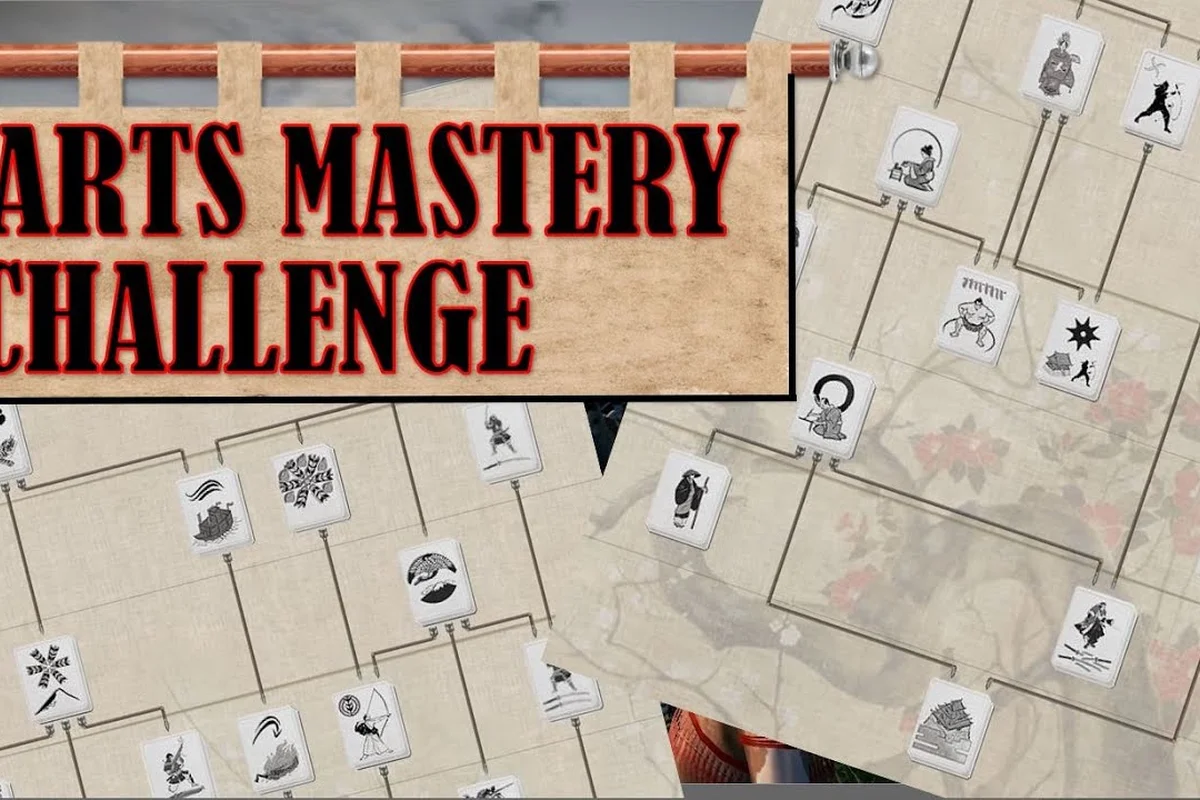
Every faction in Total War: SHOGUN 2 progresses through a research system that decides whether your armies fight with bow and yari or with Armstrong guns and Gatling batteries. This Shogun 2 technology cheat sheet lines up every art in the base game, the Rise of the Samurai prequel, and the Fall of the Samurai standalone so you can plan a research path that fits your campaign. Players who treat the arts tree as an afterthought usually lose the first war they pick; players who map the full arts list in advance tend to snowball before the AI can react, and the same forward-planning mindset is rewarded even more in earlier-era conflicts like those detailed in our Shogun 2 Rise Of The Samurai Campaign Guide.
Shogun 2 Full Arts List at a Glance
The base game ships a single tree called Mastery of the Arts, which splits into two parallel branches: Bushido for military reform and Way of Chi for civil, economic, and religious development. Both branches contain roughly fifteen arts each, and most clans can research one art per turn once a province has an appropriate building. According to the Way Of The Chi Arts- A Tierlist - Shogun 2, Bushido leans into unit stats, armor, and morale while Way of Chi covers town growth, trade income, religion, and agent actions, and the two sides are loosely interconnected so unlocking a top-tier art in one branch often requires several feeder arts in the other.
| Branch | Art Count | Focus | Typical Unlock Trigger |
|---|---|---|---|
| Bushido (base) | ~15 | Military, unit upgrades, morale, armor | Matched province building + previous Bushido art |
| Way of Chi (base) | ~15 | Economy, religion, agents, town growth | Matched province building + previous Chi art |
| Rise of the Samurai tree | ~24 | Sengoku-period warfare, early firearms, naval tweaks | New Genpei War campaign building chain |
| Fall of the Samurai tree | ~28 | Modernisation, railways, artillery, foreign powers | Boshin War modernisation building chain |
Each art costs a flat amount of research points per turn, and points scale with the level of the relevant building. A bare dojo in turn 1 produces almost no research output, while a master dojo in turn 30 can finish a tier-3 art in three turns. The complete Shogun 2 full arts list is therefore less about which art to pick and more about which province can support the building required to research it at speed.
Bushido Arts (Military Branch)
Bushido is the muscle side of the tree. Each art in this branch either buffs a specific unit class, boosts morale across the board, or unlocks a special recruitment option at a dojo or armory. Early picks usually target Yari Ashigaru Drill or Bow Ashigaru Drill because the cost-to-power ratio is unbeatable in the opening turns. Mid-game picks rotate into Naginata Warrior Dojo, Katana Hero Studies, and Mounted Samurai Training, which unlock the heavy samurai line that most clans need to break a stalemate.
| Art Name | Effect | Best Faction Archetype |
|---|---|---|
| Yari Ashigaru Drill | +Melee attack, +Charge for yari units | Defensive clans (Date, Shimazu) |
| Bow Ashigaru Drill | +Reload, +Range for bow ashigaru | Expansionist clans (Oda, Tokugawa) |
| Naginata Warrior Dojo | Unlocks Naginata Samurai recruitment | Clans with strong dojo provinces |
| Katana Hero Studies | +Melee defense for samurai heroes | Honor-heavy clans (Chosokabe) |
| Mounted Samurai Training | Unlocks cavalry samurai, +cav morale | Cavalry push clans (Takeda) |
Late-game Bushido arts like Way of the Warrior, Siege Warfare Mastery, and No-Dachi Studies are expensive but decisive, because they affect every unit on the field and tend to swing auto-resolve outcomes in your favor. A common mistake is burning research turns on lower-tier arts in the late game; the cost curve means a tier-3 Bushido art costs roughly four times what a tier-1 art does, so plan the queue around the final research tier rather than early filler.
Chi Arts: The Civil Branch
Way of Chi is the softer side of the tree, but it wins campaigns. Arts here improve town growth, trade income, religion, and agent effectiveness, and most experienced players consider a balanced Chi path more important than a pure Bushido rush. According to the Total War: SHOGUN 2 Steam store page, the base game launched in March 2011 and still holds a Very Positive rating from more than sixty thousand Steam reviews, and long-running community testing suggests the best opening Chi picks are always Fertility Rites (faster province growth) and Improved Forge (reduced recruitment cost) because they pay back their research cost within a few turns.
| Art Name | Effect | Strategic Value |
|---|---|---|
| Fertility Rites | +Town growth in all provinces | Foundation pick for every clan |
| Improved Forge | -Recruitment cost for melee units | Early snowball, especially for ashigaru-heavy armies |
| Merchant Fairs | +Trade income from foreign markets | Strong on coastal trade clans (Shimazu, Mori) |
| Buddhist Teachings | +Repression, -Unrest | Clans with multi-religion provinces |
| Ninja Training | +Agent action success, +assassination chance | Crucial for diplomatic sabotage |
| Mountain Asceticism | +Religion in remote provinces | Borderland clans (Uesugi, Takeda) |
The end-tier Chi arts, including Enlightenment, Court Etiquette, and Master of Tea Ceremony, are expensive and slow, but they compound across a long campaign. Players who rush straight to Bushido usually find their economy collapsing by turn 40, while players who stagger Chi research in the first thirty turns tend to outproduce the AI regardless of military tech parity.
Shogun 2 Rise of the Samurai Tech Tree
Rise of the Samurai ships its own dedicated research tree, because the Genpei War setting in 1185 predates most of the unit roster and gunpowder tech featured in the base game. The Rise of the Samurai tech tree replaces Mastery of the Arts entirely; you do not mix it with base-game research. According to the Rise of the Samurai campaign guide, the campaign map is denser, the turns per year are shorter, and every art in the tree is tuned for the smaller unit roster of the period.
Early-Period Arts (1185 to 1199)
The early period covers the wars between the Taira and Minamoto clans, and the arts here mostly unlock the basic ashigaru line, early samurai variants, and naval boarding actions. Research buildings for this era are smaller and cheaper, so you can usually finish an early-period art in one to two turns once the right building is in place.
| Art Name | Era | Primary Effect |
|---|---|---|
| Levy Reforms | Early | -Recruitment cost, +Levy unit replenishment |
| Yari Formations | Early | +Yari ashigaru melee attack, +charge vs. cavalry |
| Coastal Raids | Early | Unlocks raid action, +naval melee |
| Warrior Monks | Early | Unlocks Sohei recruitment at temples |
| Horse Archery | Early | +Mounted archer accuracy, +firing on the move |
A practical opening for any Rise of the Samurai campaign is to grab Levy Reforms first to keep stacks cheap, then push into Yari Formations for battlefield parity with the AI. Warrior Monks are a strong third pick if you control a temple province because Sohei scale into a frontline infantry unit that absorbs arrows without breaking.
Late-Period Arts (1200 to End Campaign)
Late-period arts focus on elite samurai recruitment, bow mastery, and castle siege tactics. The Mongol invasion events that fire in this period also depend on certain late arts, so if you ignore the back half of the tree you will get steamrolled in the scripted invasions. Players who main the Taira should rush Taira Heavy Cavalry Studies, while Minamoto players benefit more from Yabusame Traditions and Massed Bow Drill.
| Art Name | Era | Primary Effect |
|---|---|---|
| Taira Heavy Cavalry Studies | Late | Unlocks elite Taira cavalry, +cav charge |
| Yabusame Traditions | Late | +Mounted archer accuracy while moving |
| Massed Bow Drill | Late | +Bow reload, +rate of fire for all bow units |
| Siege Engine Mastery | Late | -Siege equipment cost, +mangonel accuracy |
| Shogun's Guard | Late | Unlocks bodyguard unit, +general survivability |
The Rise of the Samurai tech tree is shorter than the base-game tree, so research mistakes cost less, but the late arts are still expensive and the scripted invasions do not wait for your queue to finish. Plan a research path that finishes Siege Engine Mastery before the Mongol invasions fire, because losing a castle to an unprepared siege is one of the fastest campaign losses in the expansion.
Shogun 2 Fall of the Samurai Technology Tree
Fall of the Samurai is the modern half of the package, and its research system is the most complex in the entire franchise. The Shogun 2 Fall of the Samurai technology system splits into a traditional tree (sword-and-samurai factions) and a modern tree (foreign-styled and shogunate-aligned factions), and every clan must pick a side via the Modernisation slider before unlocking the top-tier arts. According to the Fall of the Samurai Wikipedia entry, the campaign opens in 1864 with twenty-four turns per year, so research output is higher and you can finish an art in a single turn once your modernisation buildings are maxed.
Traditional Tree (Imperial Faction)
The traditional tree keeps the unit roster close to the base game but adds late-era katana and bow upgrades, plus unique melee-focused agents. Imperial faction clans (Satsuma, Tosa, Choshu) start with higher traditional research and lower modern research, which means their early arts finish fast and their late arts grind. The traditional side is a great choice for players who prefer melee combat over gunpowder and who want to avoid the foreign-trade micromanagement that the modern side forces on you.
| Art Name | Effect | Best Imperial Clan |
|---|---|---|
| Bushido Revival | +Melee attack for samurai, +general honor | Satsuma |
| Katana Refinement | +Katana damage, +armor-piercing | Choshu |
| Yari Wall Doctrine | +Yari ashigaru morale, +brace bonus | Tosa |
| Mounted Samurai Elite | Unlocks elite cavalry, +cav charge | All Imperial |
| Spiritual Healing | +Agent replenish, +repression in foreign-trade provinces | Satsuma |
Modern Tree (Shogunate and Foreign Factions)
The modern tree is the heart of the Shogun 2 modernisation guide because every modern art unlocks a new gunpowder unit, a new ship class, or a new piece of battlefield tech. Shogunate-aligned clans (Tokugawa, Aizu) and foreign-styled clans (Naval, British, French) start with high modern research, so they can field Armstrong guns and Gatling batteries by turn 5 if they pour everything into a single building chain. Community testing on the Boshin War campaigns shows that rushing Rifled Barrel Studies as the first modern art is the strongest opening because it buffs every rifle infantry unit at once.
| Art Name | Effect | Best Modern Clan |
|---|---|---|
| Rifled Barrel Studies | +Accuracy, +range for all rifle units | All modern |
| Armstrong Gun Foundry | Unlocks Armstrong gun, +artillery reload | Shogunate clans |
| Gatling Battery Doctrine | Unlocks Gatling gun, +suppression damage | Naval clans |
| Naval Modernisation | Unlocks ironclad warships, +ship armor | Foreign clans |
| Railway Logistics | -Recruitment cost in connected provinces, +movement | Expansionist modern |
| Foreign Trade Networks | +Trade income from foreign markets, +naval blockades | All modern |
The foreign powers mechanic in Fall of the Samurai is the deepest addition to the research system. Hiring British, French, or American gunboats and advisors costs foreign trade points, which only the modern arts can boost, so the modern tree is also an economic engine rather than just a military one.
Modernisation Guide: Choosing Your Research Path
The Shogun 2 modernisation guide boils down to one decision: how far you slide the modernisation bar before you start researching the opposing tree. Sliding the bar to one extreme unlocks the top arts of that side, but it also locks out the best arts of the other side, and it changes the diplomatic posture of every clan on the map. According to community testing and player reports, a balanced mid-slider opening works best on higher difficulties, while extreme-modern or extreme-traditional rush strategies win more reliably on normal difficulty.
Research Priority by Campaign Goal
| Campaign Goal | First Three Arts (Base Game) | First Three Arts (Fall of the Samurai) |
|---|---|---|
| Aggressive rush | Yari Drill, Improved Forge, Levy Training | Rifled Barrel Studies, Armstrong Gun Foundry, Railway Logistics |
| Economic snowball | Fertility Rites, Improved Forge, Merchant Fairs | Foreign Trade Networks, Naval Modernisation, Rifled Barrel Studies |
| Defensive turtle | Mountain Asceticism, Buddhist Teachings, Yari Wall | Yari Wall Doctrine, Bushido Revival, Spiritual Healing |
| Naval dominance | Improved Wharves, Coastal Defences, Fire Ship Doctrine | Naval Modernisation, Foreign Trade Networks, Coastal Batteries |
A common trap is to research only military arts in the opening turns. The arts that boost trade income, town growth, and agent effectiveness pay back the research cost faster, because the dividend compounds across every province for the rest of the campaign. If you are unsure what to research, default to one economy art, one religion art, and one military art in the first six turns, and only deviate from that pattern once you have a specific battlefield problem to solve.
Traditional vs Modern Tech Compared
The Shogun 2 traditional vs modern tech split is the single most important strategic choice in Fall of the Samurai, and the wrong pick can lock you out of the units you actually need. Traditional tech favors melee infantry, naval boarding, and castle defense, while modern tech favors ranged infantry, artillery, and ironclad ships. The two trees share a handful of common arts at the top of the modernisation chain, so even a hard-rush player can pick up a few cross-tree picks later in the campaign.
| Comparison Axis | Traditional Tech | Modern Tech |
|---|---|---|
| Best melee unit | Elite katana samurai, Onna Bushi | Line infantry with bayonets |
| Best ranged unit | Longbow ashigaru, yabusame | Rifle infantry, Gatling batteries |
| Best siege unit | None, relies on towers and scaling | Armstrong guns, howitzers, coastal batteries |
| Naval unit roster | Kobaya, bune, fire ships | Ironclads, torpedo boats, steam frigates |
| Agent strength | Ninja, metsuke, monks | Foreign advisors, gunboat diplomacy |
| Economy engine | Trade income, ports, rice farms | Foreign trade, railways, industrial zones |
| Best campaign tier | Legendary difficulty, attrition wars | Normal difficulty, decisive battles |
A practical rule of thumb: if the campaign is going to be a long grind with many turns, traditional tech has the higher ceiling because its economy arts compound harder. If the campaign is going to be a short decisive war, modern tech wins because its gunpowder units delete stacks in one volley. For players who want to see the entire Boshin War play out, the modern side is more cinematic; for players who want a sandbox, the traditional side is more flexible.
Research Order and Timing Tips
The Shogun 2 technology cheat sheet only matters if you can finish research in time, and research speed in any province is driven by a hidden formula combining the building level (dojo, temple, or academy) with the assigned character traits, so a tier-1 art like Ashigaru Drill typically takes 4-5 turns in a master dojo but stretches to 9-11 turns in a basic one. A few timing rules separate players who research one art per turn from players who research one art every five turns, and the gap almost always comes down to whether your research-province daimyo has Wisdom, Curiosity, or Diligent stacked from family-member education, plus whether you remembered to switch the province's industry slot off sake or silk while the art is active.
-
Build the right research building first. An art that needs a temple will not progress in a province with a dojo, even if the dojo is at master level.
-
Stack research-boosting skills on your clan leader and family members. A clan leader with three research-boosting traits will out-research a leader with zero by a factor of two to one.
-
Use agents to steal arts from enemy clans. A successful agent action on a high-tier art can save you twenty turns of research and gives you a free research slot for something else.
-
Do not over-build research buildings in frontline provinces. A research-focused province that gets captured by the AI costs you both the building and the research queue.
-
Plan the top-tier arts before the mid-tier ones. A late-game art often requires three or four feeder arts, so the queue fills up faster than most players expect.
For an even deeper breakdown of the underlying Mastery of the Arts system, the Shogun 2 tech tree explained reference page is a good cross-check, and the Total War Shogun 2 technology tree entry on community wikis maps the full prerequisite graph if you want a visual.
Frequently Asked Questions
How many arts are in the base Shogun 2 Mastery of the Arts tree?
The base tree contains roughly thirty arts, split evenly between the Bushido military branch and the Way of Chi civil branch, and each clan can research both sides in parallel as long as the matched province building is in place.
Does the Rise of the Samurai campaign share its research tree with the base game?
No, Rise of the Samurai uses its own dedicated tech tree tuned for the Genpei War period, and the arts you research in the prequel campaign do not carry over to the base game or to Fall of the Samurai.
What is the first art to research in Fall of the Samurai?
Most community testing points to Rifled Barrel Studies as the strongest opening in Fall of the Samurai because it applies a flat +ranged accuracy and reload bonus to every rifle infantry unit simultaneously, and with Levy infantry, Line Infantry, and Gatling-armed units all sharing the same buff tier, the value compounds across your stack rather than locking the bonus to a single recruitment line. Picking it on turn 1-2 also unlocks the downstream chain toward advanced artillery and breech-loading research, which keeps your modernisation bar momentum going through the mid-game when Imperial forces begin fielding Armstrong-style guns of their own.
Can you unlock both traditional and modern arts in Fall of the Samurai?
Yes, but only by sliding the modernisation bar toward the middle, which splits the late-game bonus between traditional and modern unit lines but costs a flat research-rate penalty that slows every art currently in the queue. Because each art on the Mastery of the Arts tree has a fixed research cost measured in koku per turn, sitting at the midpoint typically delays high-value picks like Rifled Barrel Studies or Armoury Doctrine by ten to fifteen turns, so most clan campaigns commit fully to one modernisation path by turn 30 to preserve momentum on the technology cheat sheet.
Where can I find the full prerequisite graph for the Shogun 2 arts tree?
The Total War: SHOGUN 2 Wikipedia entry outlines the Mastery of the Arts structure, and the official Shogun 2 Steam page confirms the base game plus expansions package, both of which are useful cross-checks when planning a long campaign research path.