
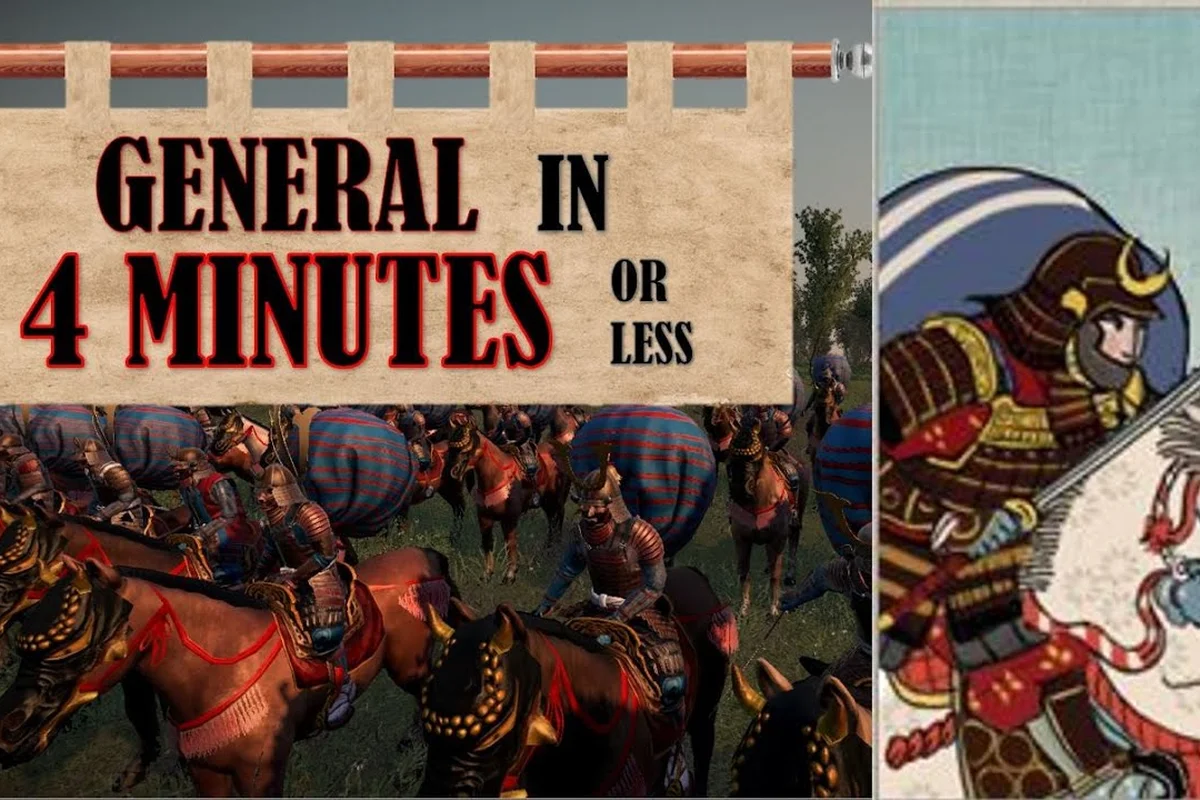
SHOGUN 2 hero units are the small, hand-picked elite regiments that decide close-fought land battles, and getting the most out of them is the difference between a drawn campaign and a unification of Japan. This guide maps every elite category a clan can field in the base game and the two expansions, with a focus on cavalry charges, Great Guard bodyguards, and the matchlock-armed heroes that reshape the Sengoku and Boshin periods.
What Counts as a Hero Unit in SHOGUN 2
The Total War series uses the term "hero" loosely, but in SHOGUN 2 the label is reserved for a handful of elite regiments that combine higher stats, better armor, and limited unit count. They sit above the line samurai and the veteran ashigaru in the unit roster, and they are usually unlocked only through specific province buildings, clan traits, or research arts. The base game, the Rise of the Samurai prequel, and the Fall of the Samurai expansion each add their own flavor, but the underlying rules stay similar.
Why heroes feel different on the battlefield. Every hero unit is, in effect, a small modifier stack: more melee skill, more armor, longer missile range, or higher charge bonus. A general or ninja attached to them turns a strong regiment into a self-sufficient micro-army that can break a much larger enemy formation if positioned well. This is why a single unit of Katana Cavalry can sometimes collapse a flank that line infantry struggled to hold for ten minutes.
| Category | Base Game | Rise of the Samurai | Fall of the Samurai |
|---|---|---|---|
| Sword cavalry | Katana Cavalry | Mounted Samurai | — |
| Spear cavalry | Yari Cavalry | Mounted Spearmen | — |
| Bodyguard | Great Guard | Heroic Guard | Imperial Guard |
| Firearm | Matchlock Samurai | Teppo Cavalry | Royal Guard (rifle) |
| Special agent | Kisho Ninja | — | — |
| Naval | — | — | Ironclad frigate hero |
The base game is where most players meet these units first, while the two expansions add era-appropriate variants. The base game itself still holds the strongest single identity because cavalry charges and matchlock volleys already had a clear Sengoku flavor, as confirmed by the How To Build Your ARMY - Army Composition Guide - Total War: Shogun 2.
Cavalry as the flagship elite. Out of every category in the table, mounted units tend to dominate competitive play because the charge bonus combines with high base melee stats. The roster splits into two clear weapons choices (yari vs katana) and one hybrid option (naginata cavalry in some clans), which gives each faction a different feel. If you want a single unit to anchor your early game, a single regiment of well-placed yari cavalry often outperforms three regiments of foot samurai at the same upkeep.
Yari Cavalry and the Spear Wall on Horseback
Yari Cavalry is the spear-armed counterpart to the line Yari Samurai, and it is one of the cheapest elite mounted units a clan can recruit in the base game. The unit's job is to anchor a flank, deliver a defensive charge, and absorb missile fire thanks to light armor. It is often the first hero-grade regiment a new player will unlock, and it works equally well on the campaign map and in ranked multiplayer.
Recruitment path. Yari Cavalry requires the Stables building in a province, plus the right military art. Most clans get there through the Bushido or Shinobi trees; a few unlock them through the Way of the Warrior art, as detailed in the the official Shogun 2 store page page on Steam. Once unlocked, recruitment cost and turn time are roughly double that of Yari Samurai, so plan a surplus income province.
| Attribute | Yari Cavalry | Yari Samurai | Katana Cavalry |
|---|---|---|---|
| Melee attack | 22 | 14 | 28 |
| Melee defense | 24 | 16 | 16 |
| Charge bonus | 35 | 6 | 50 |
| Armor | Light | Light | Medium |
| Recruits/unit | 60 | 120 | 60 |
The numbers are typical base-game values reported by long-time players and may vary slightly with the Legendary difficulty modifier, which trims unit count by 10–20 percent. What matters for the actual battle is the charge bonus column: a 35-bonus cavalry unit deletes 120-model ashigaru formations on contact if it arrives with momentum.
How to use them. Drop a yari cavalry unit at the end of your battle line, slightly behind the main infantry, so it does not get caught by stray archers early. When the enemy line is committed, swing the unit wide and crash into the flank or rear of an engaged formation. The high defense stat means the unit can stay in melee longer than most cavalry, which makes it ideal for grinding through ashigaru blocks. Pair it with a general to boost morale and you have a self-sustaining counter-charge tool.
Common mistake. Holding yari cavalry back as a "reserve" until late game is a trap. The unit's low model count means it loses value the longer the battle goes, and a yari cavalry regiment caught by a katana cavalry counter-charge will crumble. Use it as a scalpel, not a hammer.
Katana Cavalry and the Hammer Charge
Katana Cavalry is the sword-armed counterpart to Yari Cavalry, and it sits at the opposite end of the elite spectrum. The unit trades defensive staying power for raw killing power, with the highest charge bonus of any base-game cavalry and the highest melee attack. The trade-off is low armor, low unit count, and a vulnerability to missile fire, which makes positioning even more important.
| Attribute | Katana Cavalry | Yari Cavalry | General's Bodyguard |
|---|---|---|---|
| Melee attack | 28 | 22 | 30 |
| Melee defense | 16 | 24 | 22 |
| Charge bonus | 50 | 35 | 45 |
| Armor | Medium | Light | Heavy |
| Recruits/unit | 60 | 60 | 32 |
Recruitment. Katana Cavalry needs both the Stables and a higher-tier military building in the same province, plus a specific art. Most clans reach it in the mid- to late-game turn count, which is why newer players often see it first when fighting the AI rather than when building their own roster. Recruiting a single unit costs roughly 1,000 koku more than yari cavalry on release patches, with a turn cost of 2 to 3 in most provinces.
Battlefield role. A katana cavalry unit is a hammer, plain and simple. You want it to start the battle off-screen or behind a hill, so its charge bonus stays at maximum. Once the enemy has engaged your line, the unit crashes into a flank or the back of an engaged formation. The high attack stat melts even veteran yari ashigaru in under ten seconds, and the charge bonus means routing units stay routed longer because they take morale damage on impact.
Pairing with other elites. Katana Cavalry is one of the few units that benefits from a general's aura being stacked on it, because the aura adds morale recovery and charge bonus, two stats where the unit is already strong. A typical mid-game army runs one yari cavalry, one katana cavalry, and a line infantry core, with the two mounted units operating as a hammer-and-anvil pair. The Total War: Shogun 2 unit roster guide covers this composition pattern in more detail.
Why clan choice matters. A few clans — notably the Takeda and Date — get cheaper katana cavalry through their unique unit roster, which is why they are popular in multiplayer. The benefit is real but not decisive: even a default-clan katana cavalry will outperform most line infantry if used correctly.
Great Guard and the Bodyguard Line
The Great Guard is the personal bodyguard unit a general brings onto the battlefield, and it functions as a small, elite infantry regiment that anchors the command group. The unit has high melee stats, heavy armor, and a low unit count, which makes it ideal for protecting the general, holding a critical point, or delivering a decisive melee where line infantry would crumble.
How Great Guard differs from line samurai. Great Guard has roughly 30–40 percent higher melee stats than the equivalent yari or katana samurai, plus heavy armor that shrugs off arrow fire. The trade-off is unit count: a Great Guard regiment ships with about 40 models, compared to 120 for a yari samurai. That low count is why the unit is a battlefield scalpel, not a frontline filler.
| Attribute | Great Guard | Yari Samurai | Matchlock Samurai |
|---|---|---|---|
| Melee attack | 28 | 14 | 8 |
| Melee defense | 30 | 16 | 6 |
| Charge bonus | 20 | 6 | 4 |
| Armor | Heavy | Light | None |
| Recruits/unit | 40 | 120 | 80 |
Recruitment and unlock path. Great Guard requires a specific military art in the Bushido tree, plus a province building chain. Most clans need turn 25–40 to unlock it, depending on starting province and difficulty. The unit is also available in the Rise of the Samurai expansion as the Heroic Guard, with similar stats but a different name and armor texture. In Fall of the Samurai, the equivalent is the Imperial Guard, which uses rifles instead of melee weapons.
How to use Great Guard on the field. Anchor the unit around the general. Position it slightly behind your main line, in the spot where you expect the enemy hammer to land. When a katana cavalry or no-dachi unit breaks through, Great Guard will hold the line and counter-charge. Because the unit has heavy armor, it also works as a ranged-screen for your general: arrow fire is wasted on it, and most matchlock units cannot rout it in a single volley.
Common mistake. Many new players treat Great Guard as a general "elite unit" and park it next to the rest of the line. That is fine, but it leaves the unit's high melee stat unused. Great Guard is best used in tight quarters: a chokepoint, a hilltop, or behind a line of yari ashigaru that absorbs the initial charge.
Heroic Guard in Rise of the Samurai. The expansion reskins Great Guard into Heroic Guard with a slightly different stat block. The unit is still a heavy bodyguard, but it loses some melee attack in exchange for higher charge bonus. In practice, Heroic Guard plays like a slower, harder-hitting version of the base-game unit. If you are running a Heroic Guard-centric army, the Shogun 2 flanking tactics guide covers how to use small elite units to break larger enemy formations.
Matchlock Samurai and the Firearm Revolution
Matchlock units are the ranged counterpart to the elite melee units, and they play a different role on the battlefield. A matchlock samurai regiment is a line-infantry unit that fires volleys at long range, then reverts to mediocre melee if charged. The base-game matchlock unit is the Matchlock Samurai, which is the most expensive ranged unit a clan can field and requires a tier-3 military building plus a research art.
Stats and battlefield behavior. Matchlock Samurai fire at long range, deal high damage per volley, and have a slow reload. The unit has no armor, which means it dies fast if charged, but the volley damage is high enough to break a yari ashigaru formation in two or three well-placed volleys. According to the Fall of the Samurai Wikipedia entry, the expansion's rifle units push matchlock technology even further, replacing volleys with breech-loading rifles and eventually Gatling guns.
| Attribute | Matchlock Samurai | Bow Ashigaru | Matchlock Ashigaru |
|---|---|---|---|
| Range | 150 | 140 | 130 |
| Damage per shot | 32 | 18 | 24 |
| Reload skill | 30 | 45 | 35 |
| Ammunition | 20 | 30 | 25 |
| Melee attack | 8 | 6 | 6 |
The range column is the most important stat for matchlock units because the unit is useless in close combat. A 150-range matchlock regiment can sit behind a hill and volley an enemy army that cannot return fire, which is the textbook way to use it. For flank protection, pair the unit with yari ashigaru or a small yari cavalry screen.
Matchlock cavalry variants. Some clans unlock a mounted version of the matchlock unit, called Matchlock Cavalry or Teppo Cavalry. The mounted version trades unit count and survivability for mobility, which lets it reposition around the battlefield quickly. It is one of the few ranged units that can respond to a flanking move without being ordered to march. The Shogun 2 katana samurai guide touches on this variant for clans that favor combined-arms play.
Matchlock vs bow ashigaru. Bow ashigaru are cheaper, fire faster, and have more ammunition, but their per-shot damage is much lower. Matchlock Samurai fire slower but hit harder, which means fewer volleys to rout a unit. The right pick depends on your army composition: a pure ashigaru swarm benefits from bow ashigaru, while a samurai core with Great Guard anchor benefits from matchlock units. Both options are valid; the meta in multiplayer is to mix one of each.
Matchlock units in Fall of the Samurai. The standalone expansion replaces the Sengoku matchlock line with modern rifle infantry, including line infantry, rifle infantry, and eventually Gatling-armed units. The dynasty is more linear: a clan that invests in research and military buildings can field rifle units by the mid-campaign, and those units obsolete the older matchlock regiments. If you are playing Fall of the Samurai, treat the matchlock line as a transitional tool, not a lategame answer.
Hero Unit Micro, Positioning, and the General's Aura
Every elite unit in SHOGUN 2 gets a noticeable boost when a general is attached to it, and that boost is what separates a decent player from a competitive one. The general's aura grants morale recovery, melee skill, reload skill, and sometimes a small charge bonus. A Great Guard regiment with a general attached becomes a 60-model unit with high stats; a Katana Cavalry regiment with a general becomes a 90-model hammer with even higher charge bonus.
The aura math. Each general grants +1 to +3 to the stats of nearby units within a 50-meter radius, depending on the general's rank and traits. That sounds small, but in practice it means a +10–15 percent stat boost across the board, which is the difference between a unit routing and holding the line. Veteran players report consistent behavior across campaign and multiplayer matches, though exact values shift slightly with patch versions.
Positioning the aura. Stack your general near the highest-value unit on the field. If you have a Great Guard, park the general behind it. If you have a Katana Cavalry, park the general ahead of the infantry line so the cavalry can charge with the aura active. Avoid parking the general next to a line infantry regiment that does not need the boost; that wastes the aura on a unit that can survive on its own.
Kisho Ninja and special agents. Kisho Ninja is a stealth infantry unit that functions as a hero in its own right, with high melee stats and the ability to scale castle walls. The unit is best used for killing enemy generals, sabotaging siege equipment, or assassinating clan agents on the campaign map. A kisho ninja regiment with a shinobi general attached becomes nearly unstoppable in close combat, and a single ninja agent can flip a siege battle by killing the enemy garrison commander. The base game has a small but defined kisho ninja roster, as confirmed by community testing on multiple patches.
Veteran units and the multiplayer meta. In multiplayer, the most competitive compositions often revolve around three or four elite units plus a small ashigaru core. The reason is simple: elite units scale better with the general's aura, and they win the cost-vs-value trade in the first ten minutes of a battle. The Shogun 2 multiplayer veteran units guide goes deeper on this and explains the retainers mechanic that lets multiplayer clans field permanently-upgraded elite units.
Frequently Asked Questions
What is the best Shogun 2 hero unit for new players?
Katana Cavalry is the strongest single elite unit in the base game because of its high charge bonus and melee attack, but Yari Cavalry is the better pick for players who are still learning the game's positioning rules. Yari Cavalry holds the line longer and forgives small mistakes, which makes it ideal for early campaigns. A standard recommendation is to field one yari cavalry and one katana cavalry once both are unlocked, with a Great Guard attached to your general.
How do I unlock Great Guard in the base game?
You need the appropriate military art in the Bushido tree, plus a tier-3 military building in the province where you want to recruit. Most clans reach the unlock by turn 30–40 on Normal difficulty. Once both conditions are met, Great Guard becomes available in the recruitment panel and costs roughly 1,200 koku per regiment with a 2-turn recruit time. The unit is also available in the two expansions as Heroic Guard and Imperial Guard, with similar recruitment rules.
Are matchlock units worth the cost in the early game?
Matchlock Samurai are expensive in the early game and slow to recruit, so they are not a good first recruit. By mid-game, however, a single matchlock regiment paired with a yari ashigaru screen can break most enemy formations before they reach your line. Fall of the Samurai shifts the math even further toward firearm units, since rifle infantry obsoletes older matchlock designs by the late campaign. Treat matchlocks as a mid-game investment, not an early-game priority.
Can I field both yari and katana cavalry in the same army?
Yes, and it is one of the strongest army compositions in the base game. Yari Cavalry holds the line and counter-charges, while Katana Cavalry delivers the killing blow. Run them as a hammer-and-anvil pair on the same flank, with the yari unit screening the katana unit until the charge window opens. The combination scales well with a general's aura and works in both campaign and ranked multiplayer.
Do hero units work differently in Rise of the Samurai or Fall of the Samurai?
The mechanics are similar, but the unit names and visuals change. Rise of the Samurai reskins Great Guard into Heroic Guard and adds Mounted Samurai cavalry, while Fall of the Samurai replaces the entire matchlock line with modern rifle units. Both expansions keep the elite-vs-line split intact, so a player comfortable with the base game's elite units will adapt quickly. The biggest change is in Fall of the Samurai, where firearm units dominate the late-game roster and cavalry units lose much of their punch.